
Moscow, 1965.
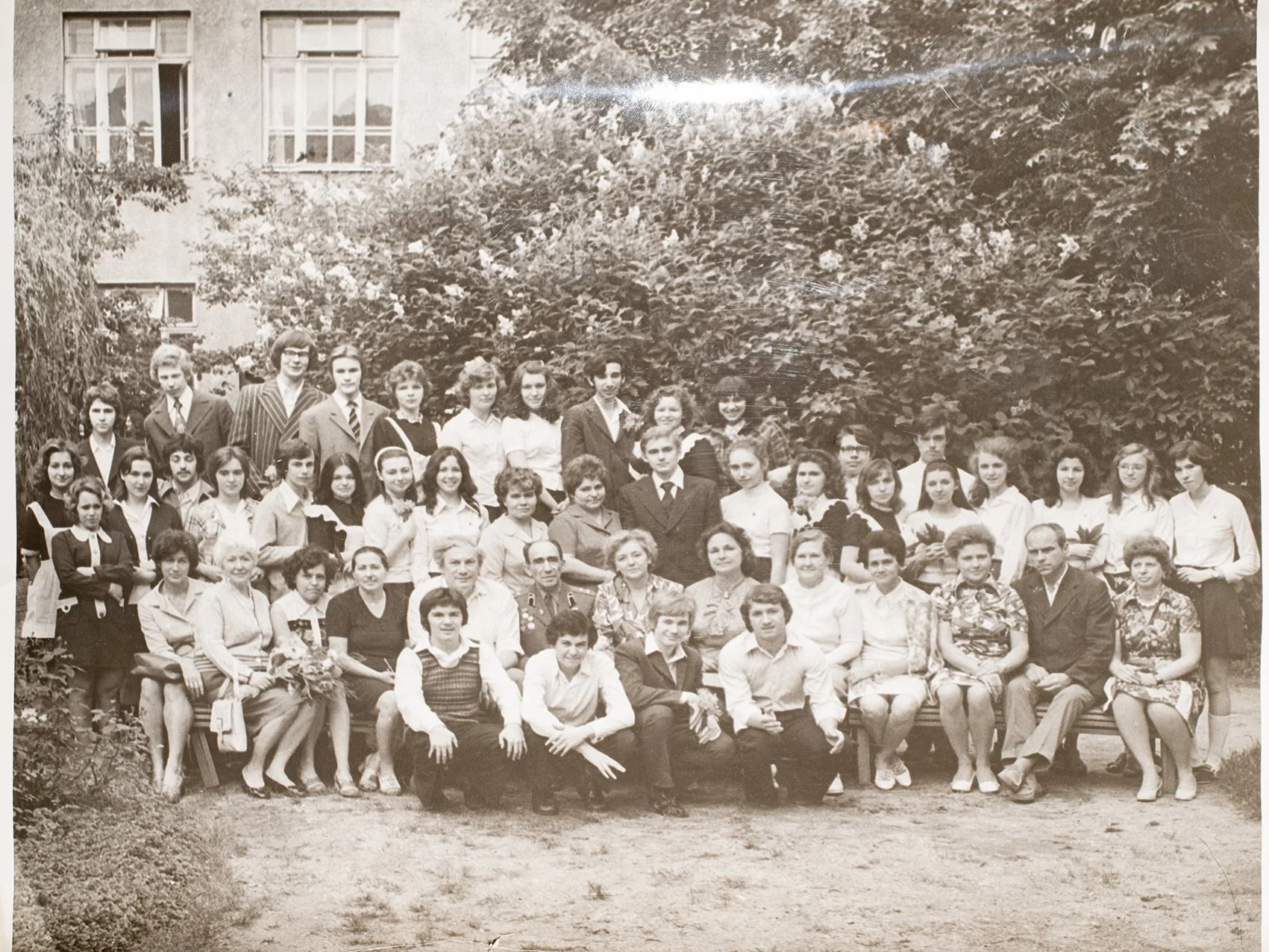
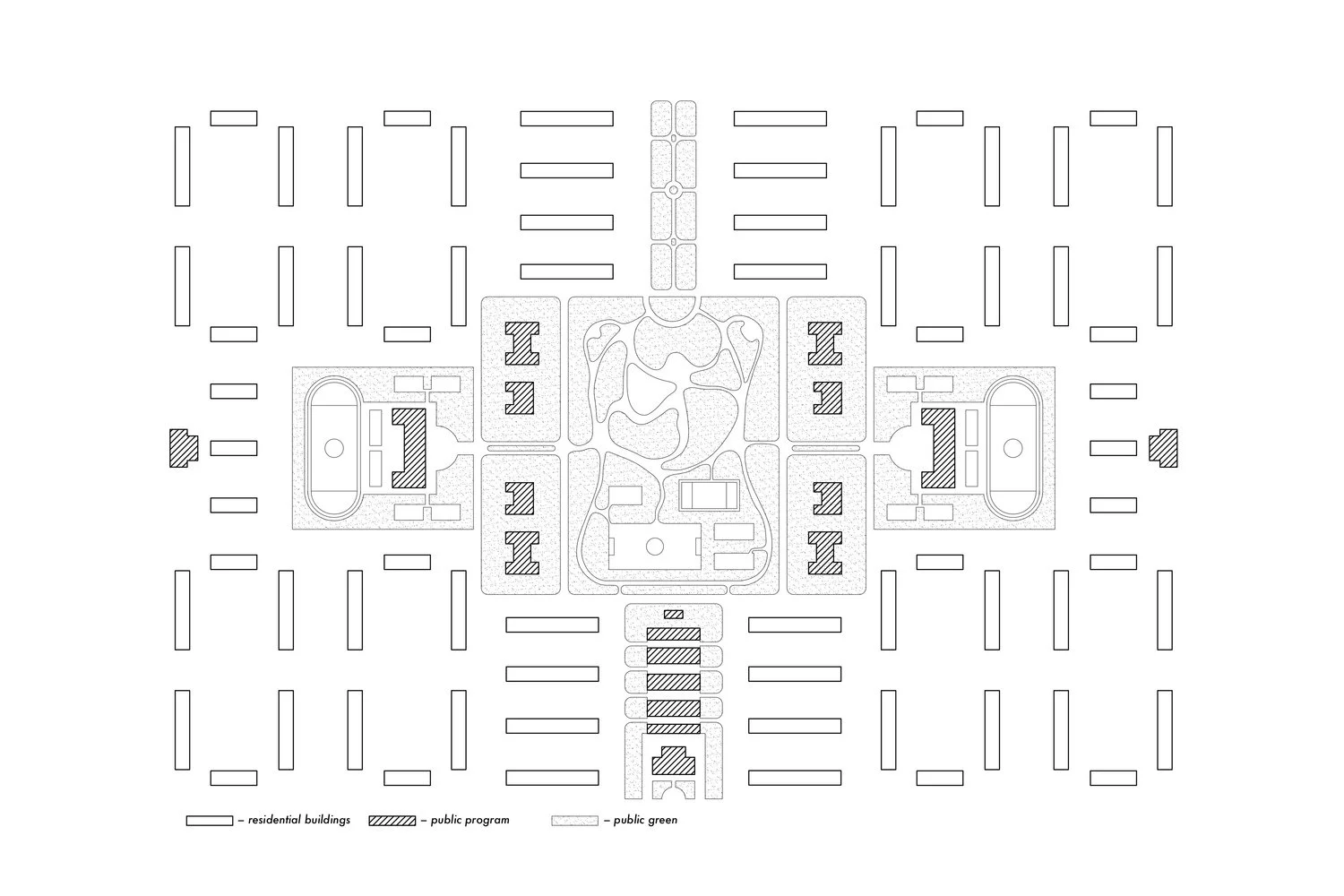
Illustration of the “ideal” microrayon. Image © Kuba Snopek, redrawn from illustration found in L.N. Avdotin, Gradostroitelne Proyektirovaniye, Moskva Stroizdat 1989
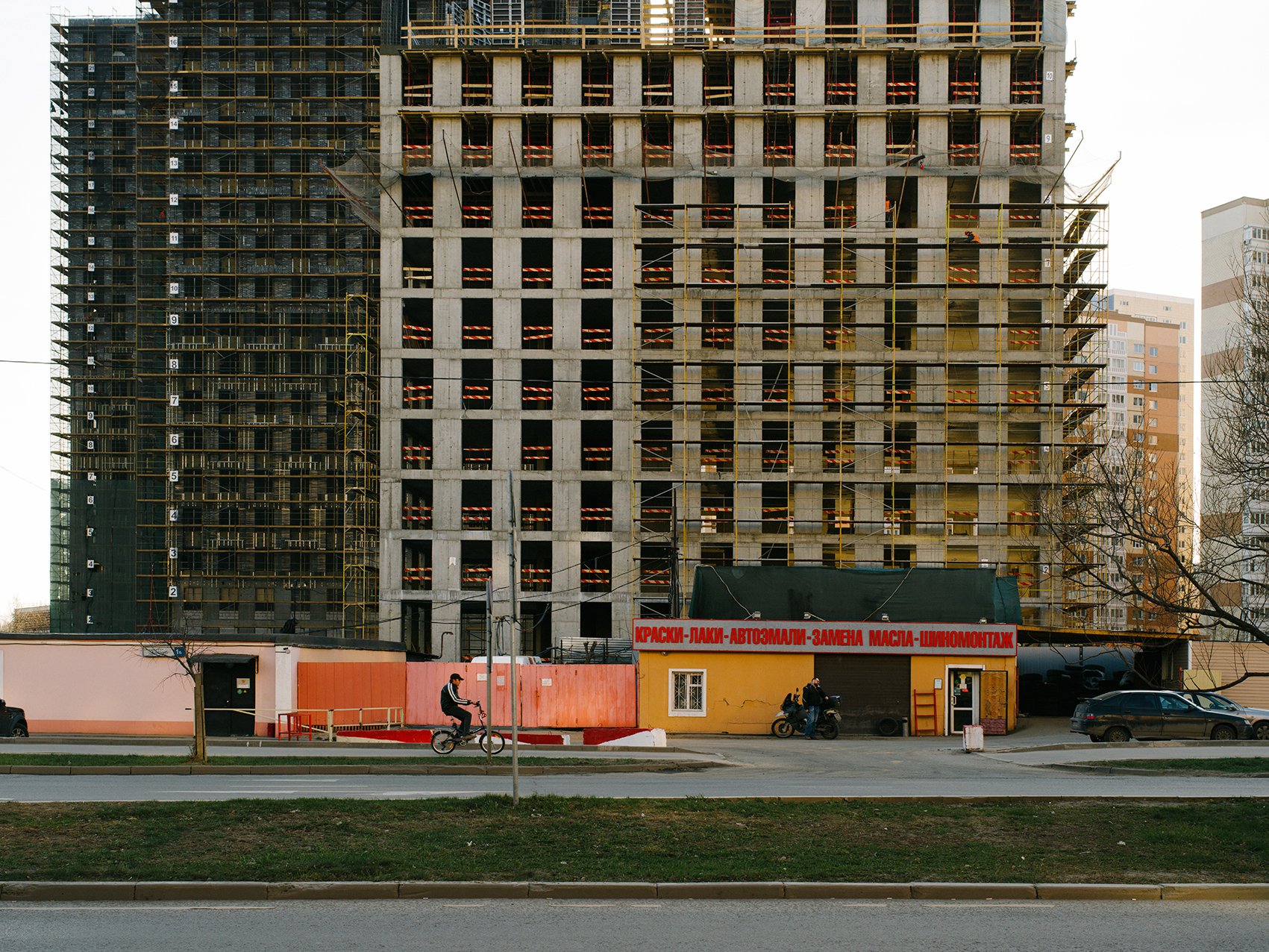
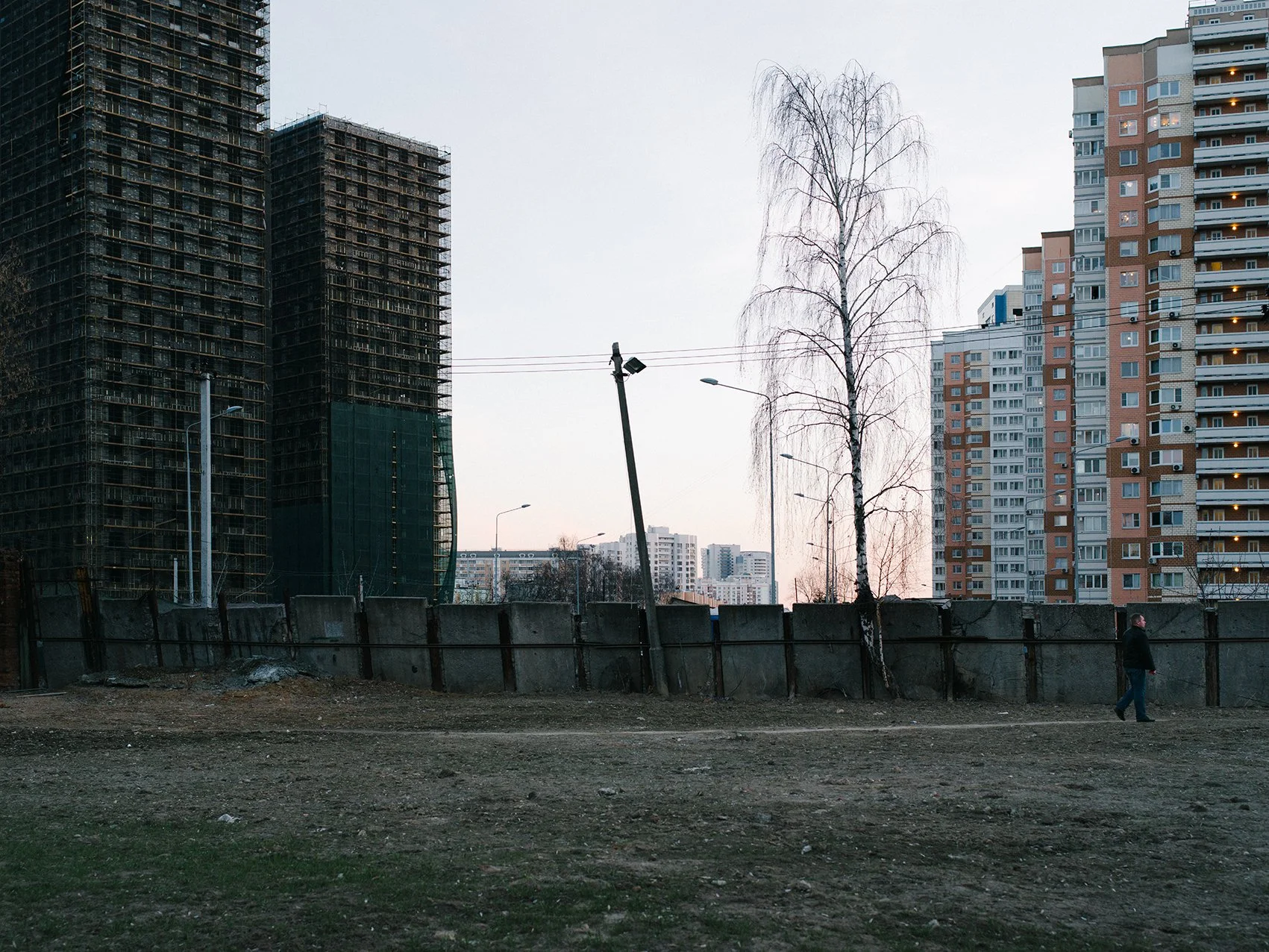
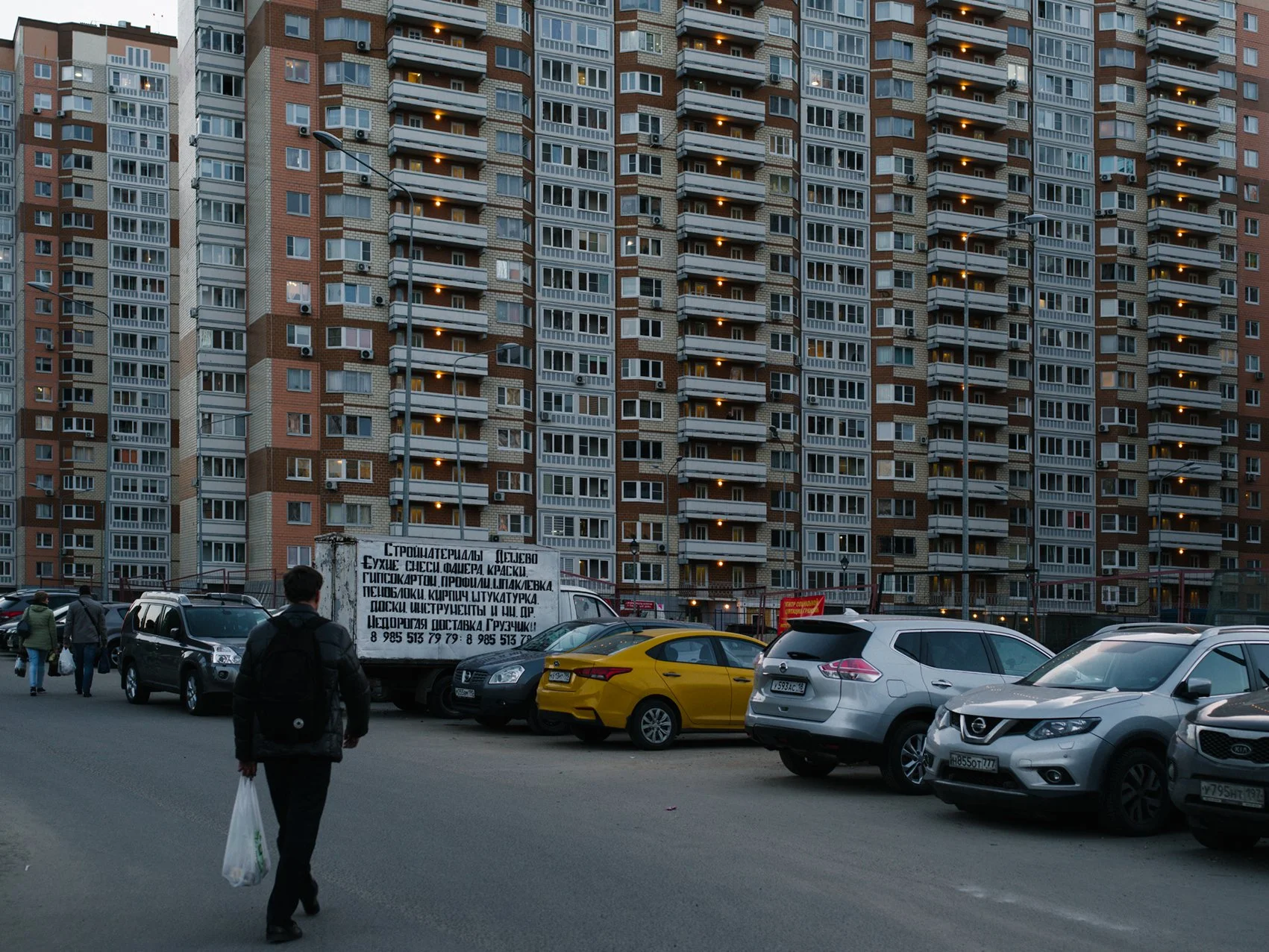

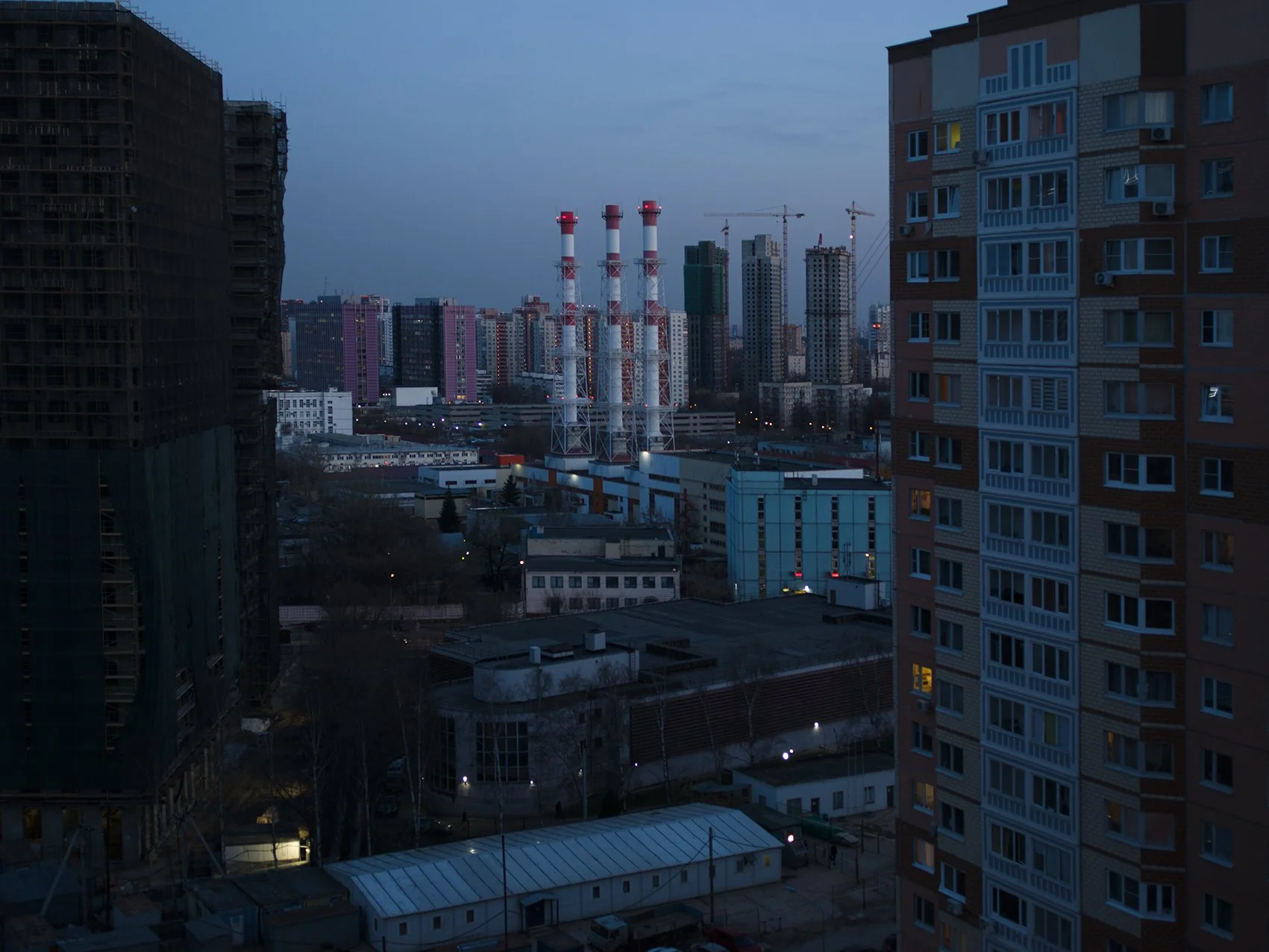
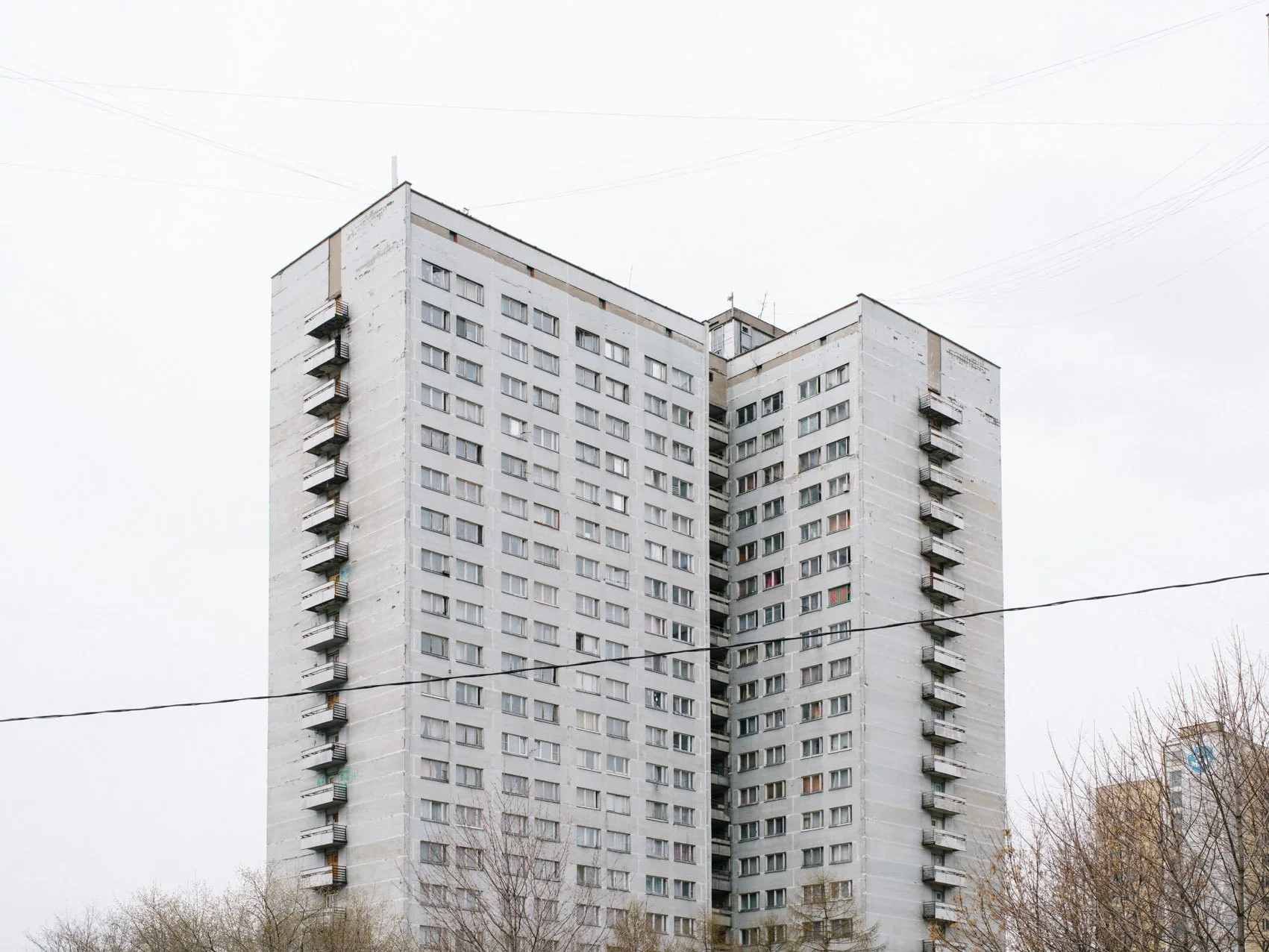
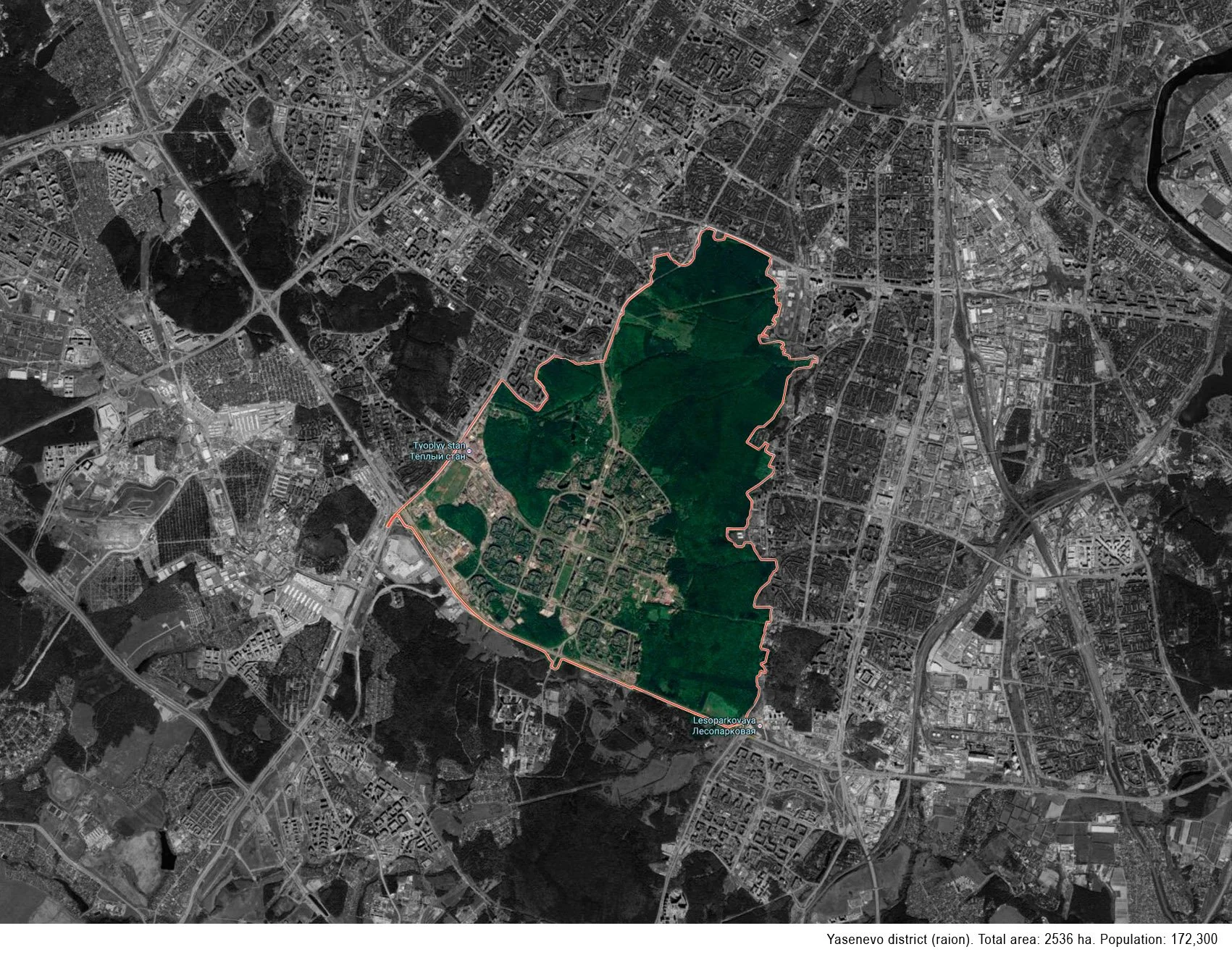
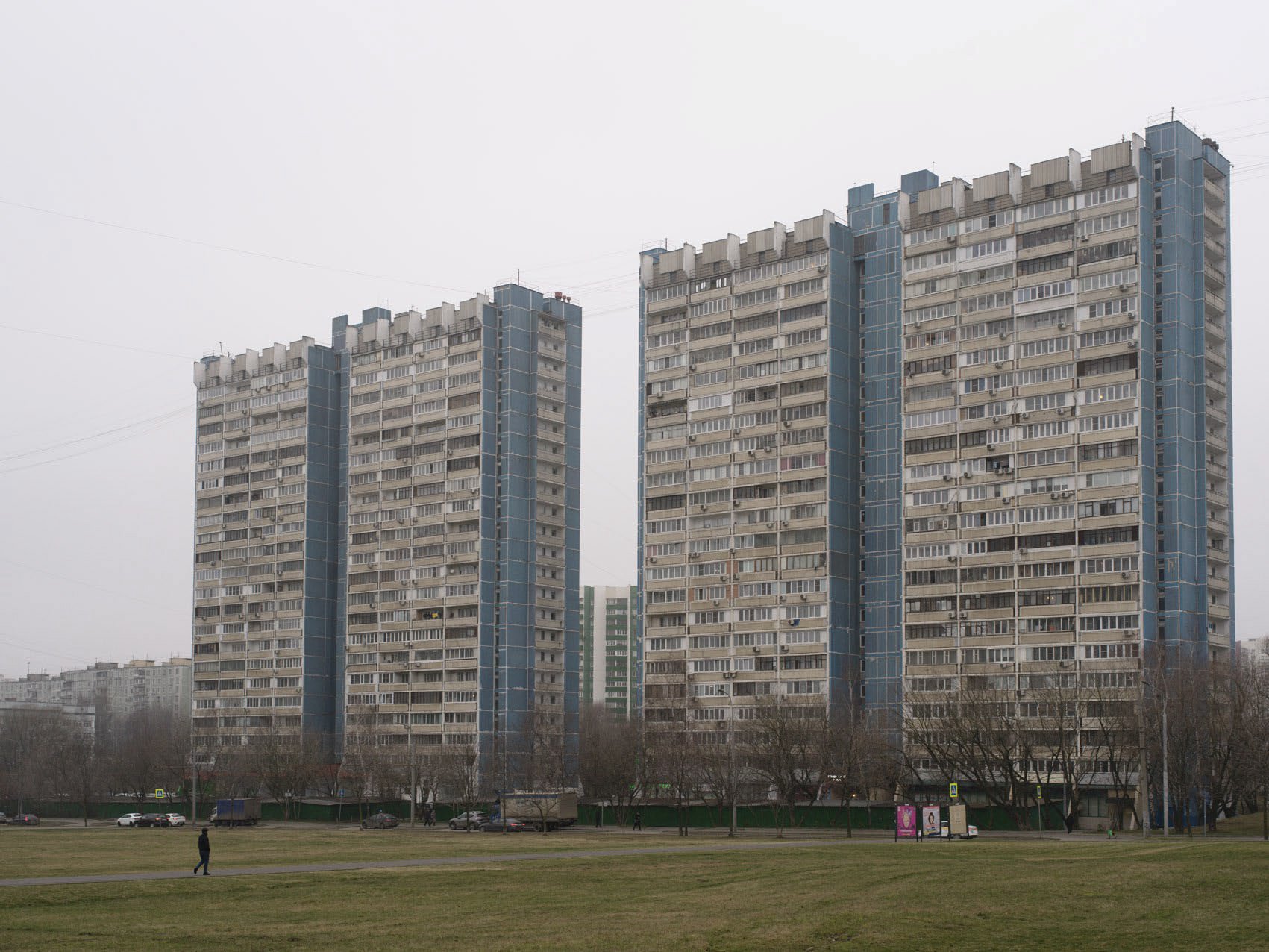
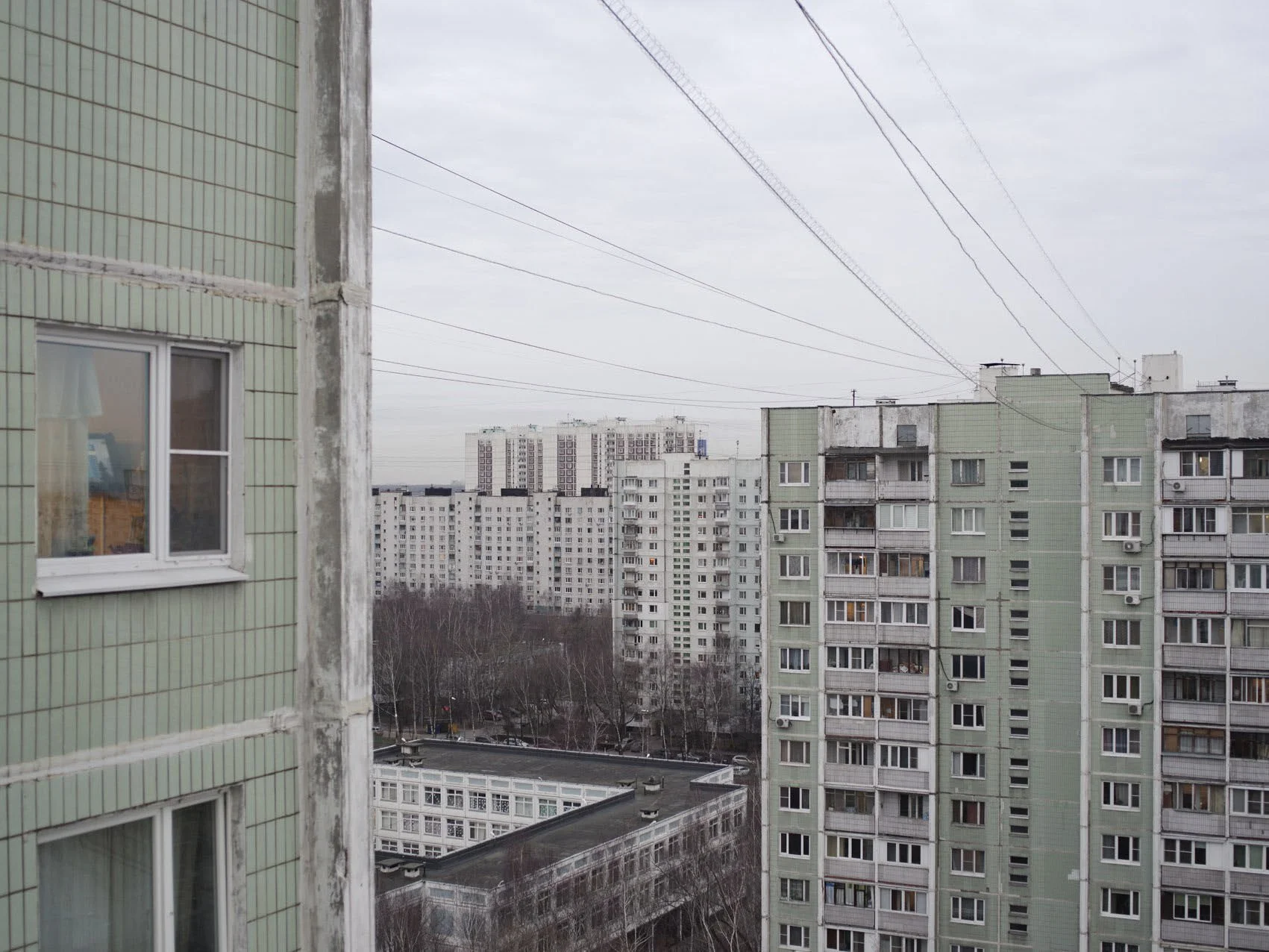
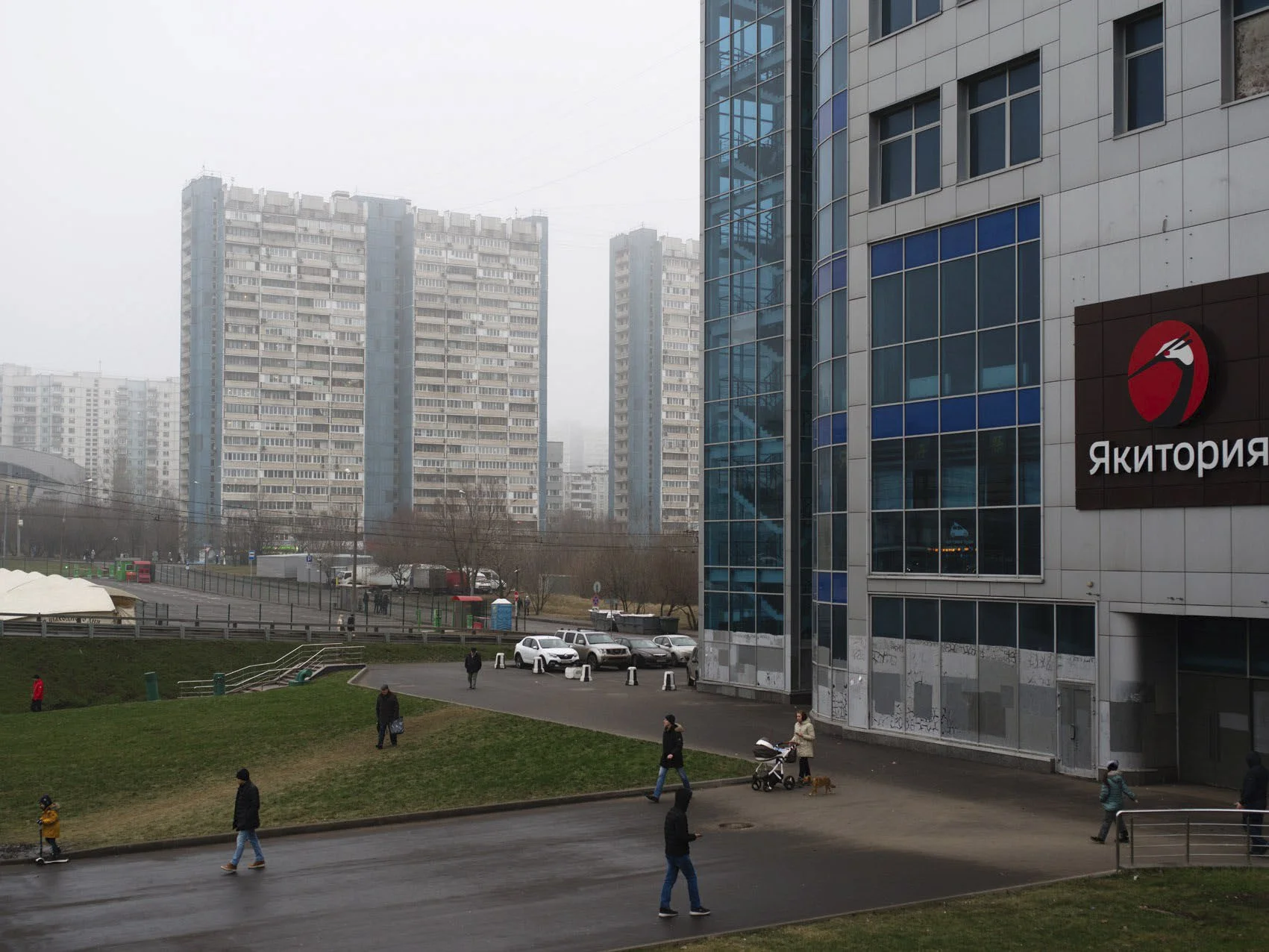
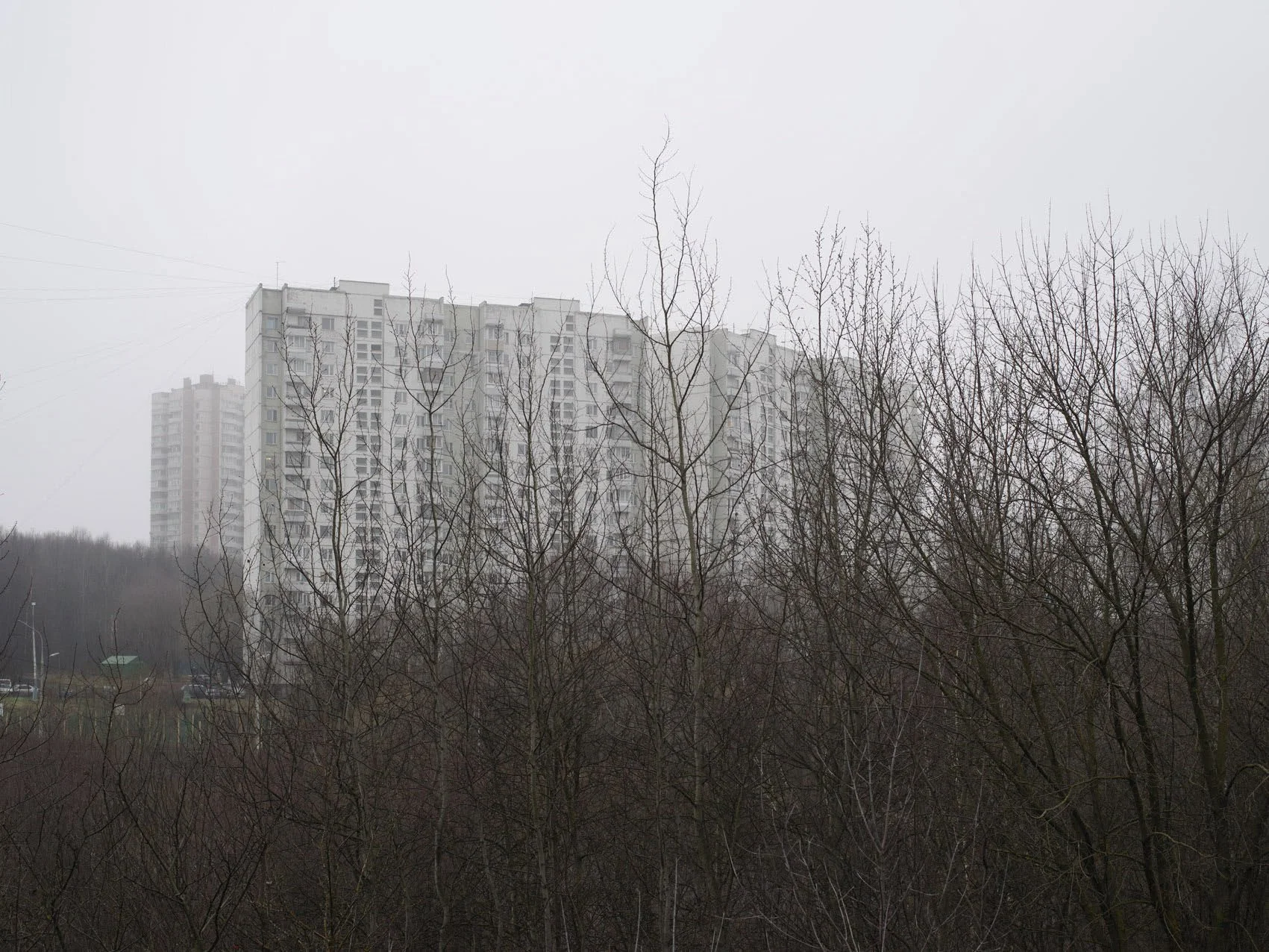
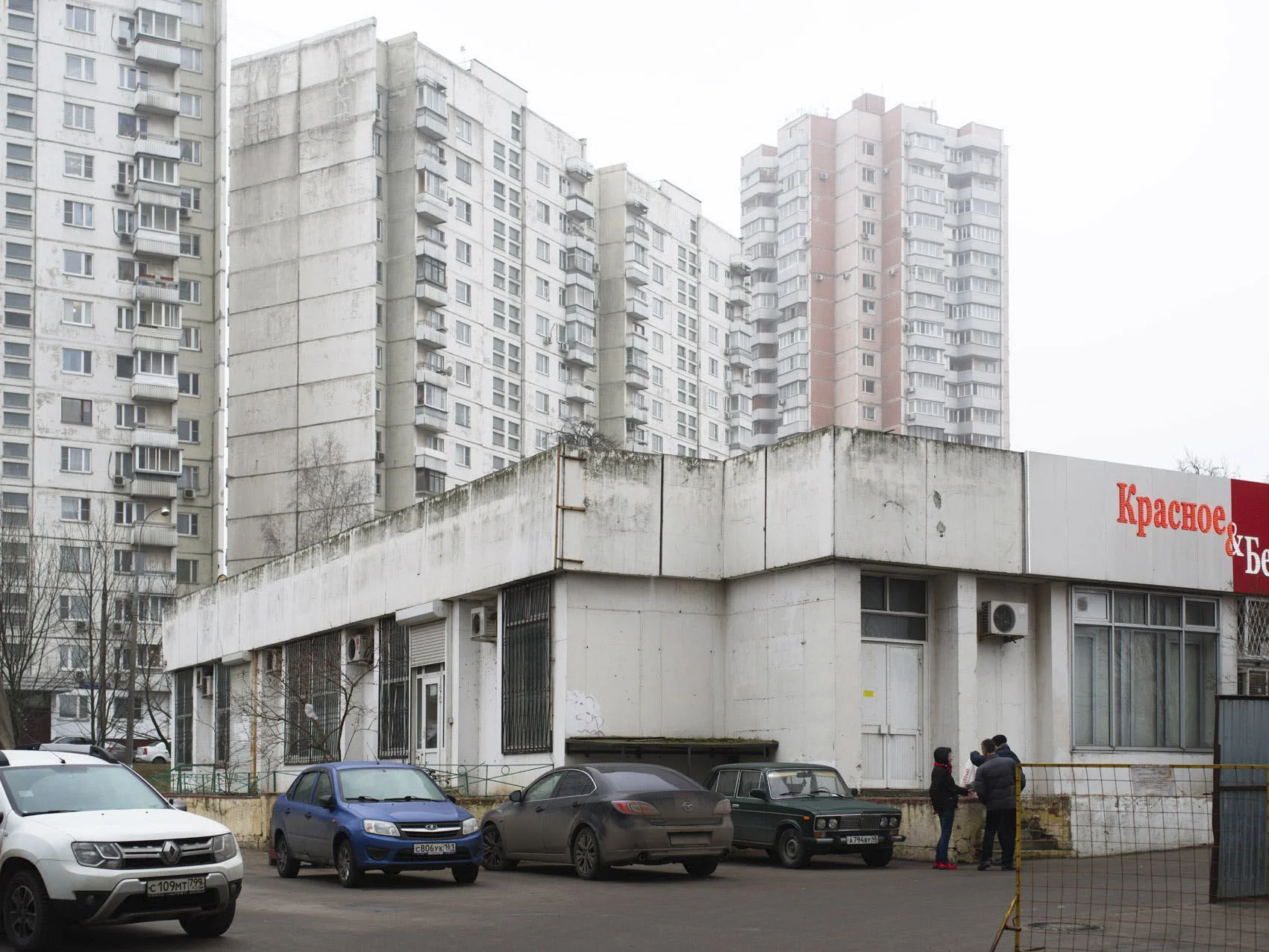
Yasenevo, 2019
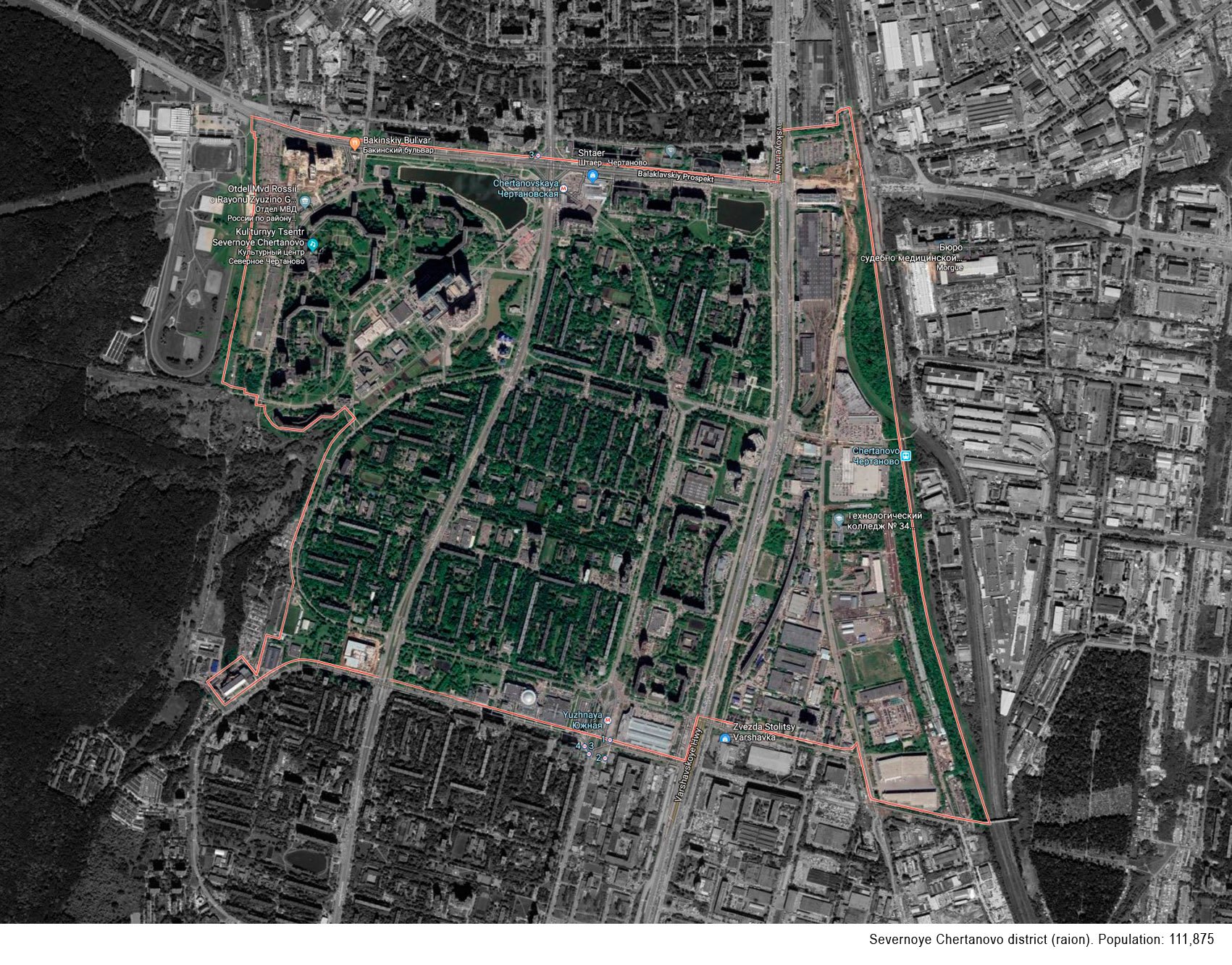
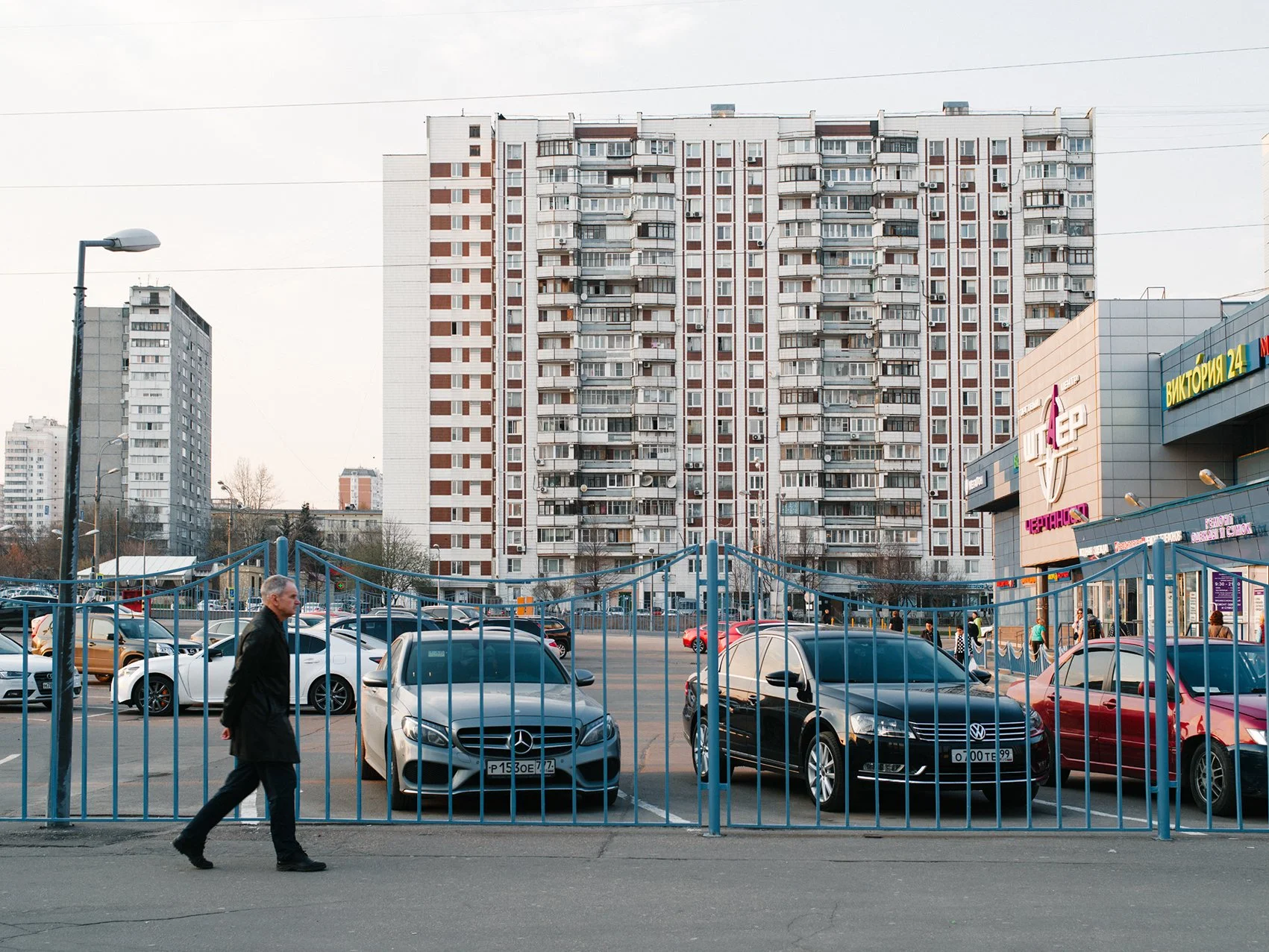
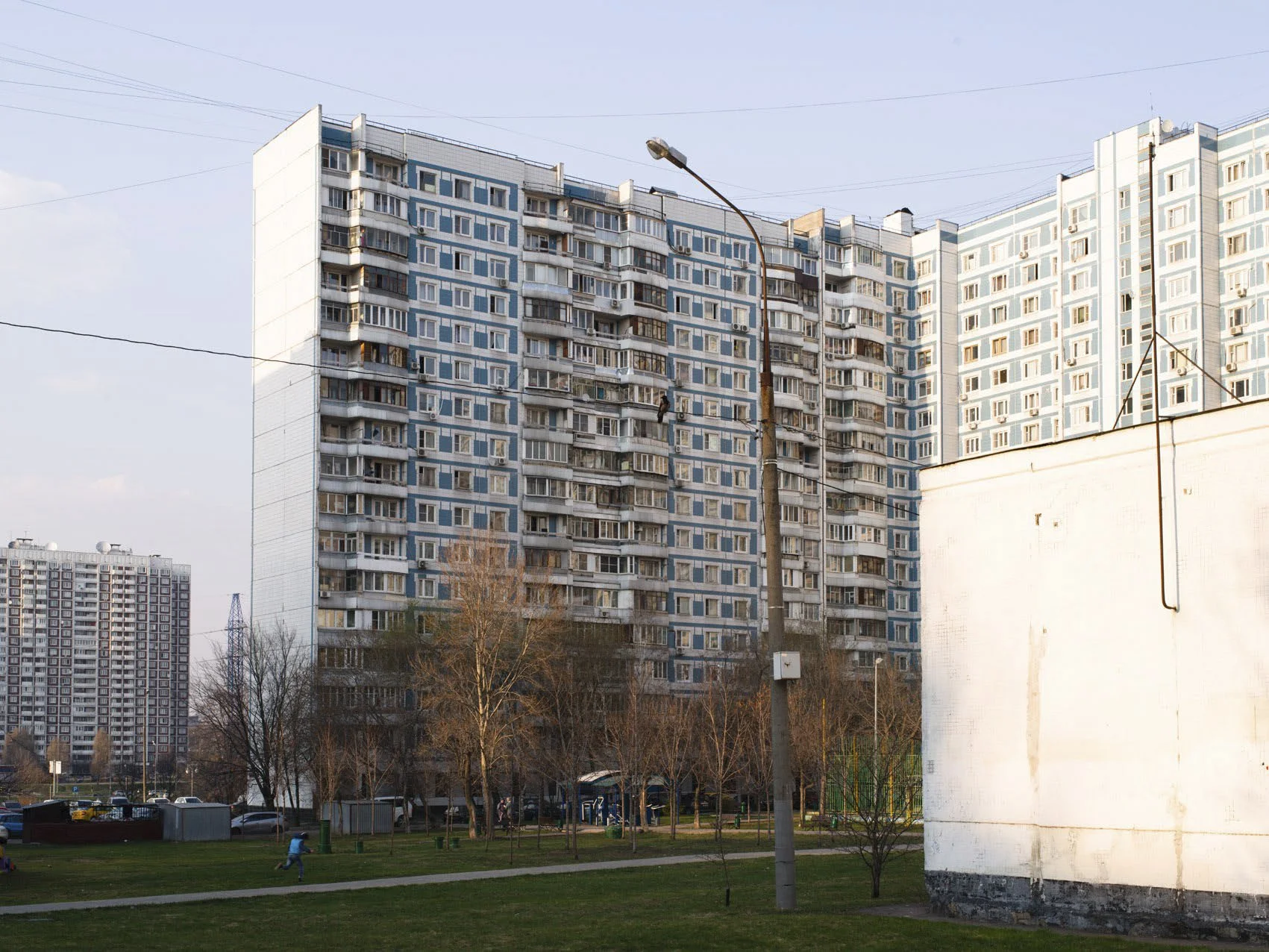
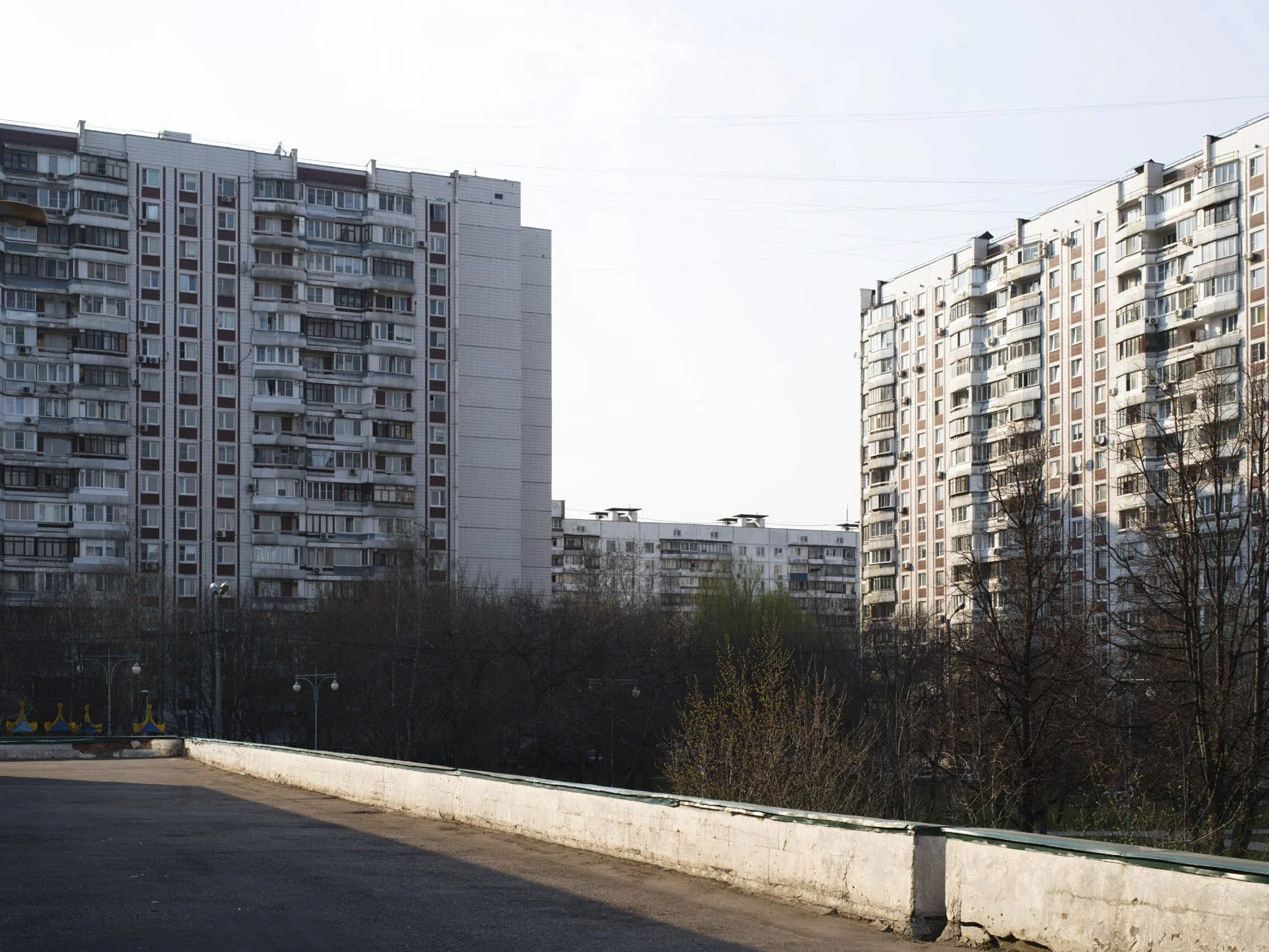
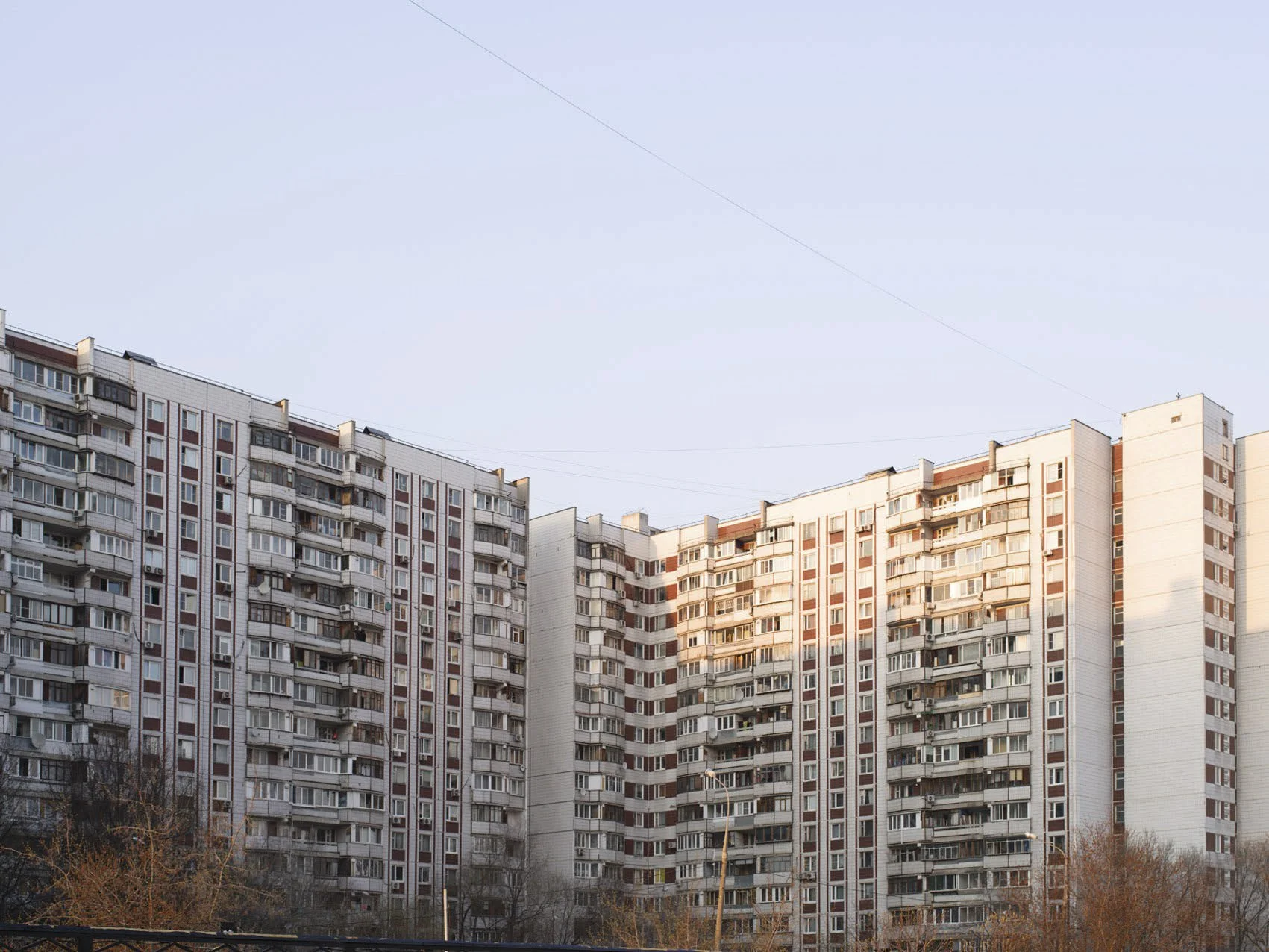
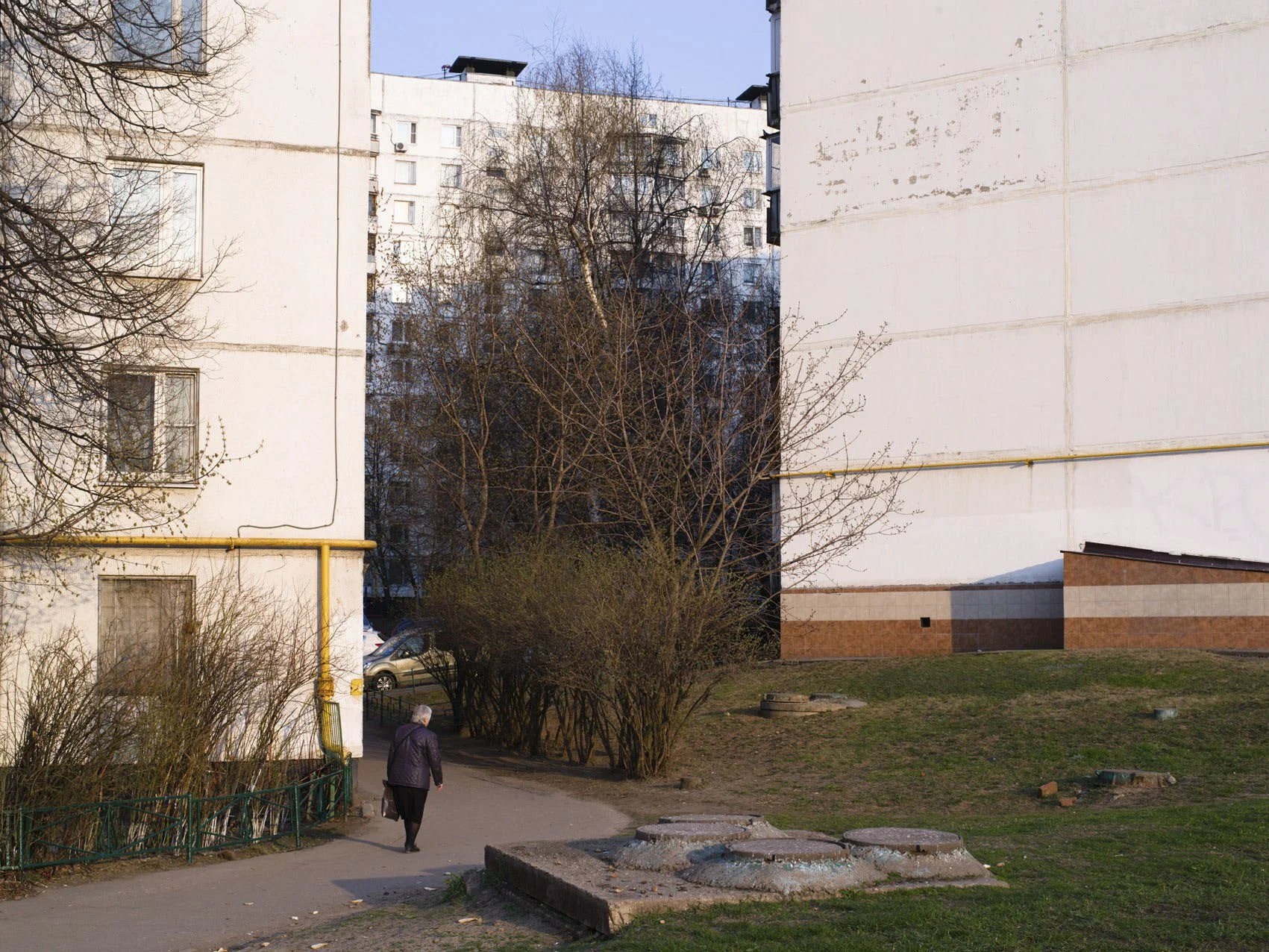
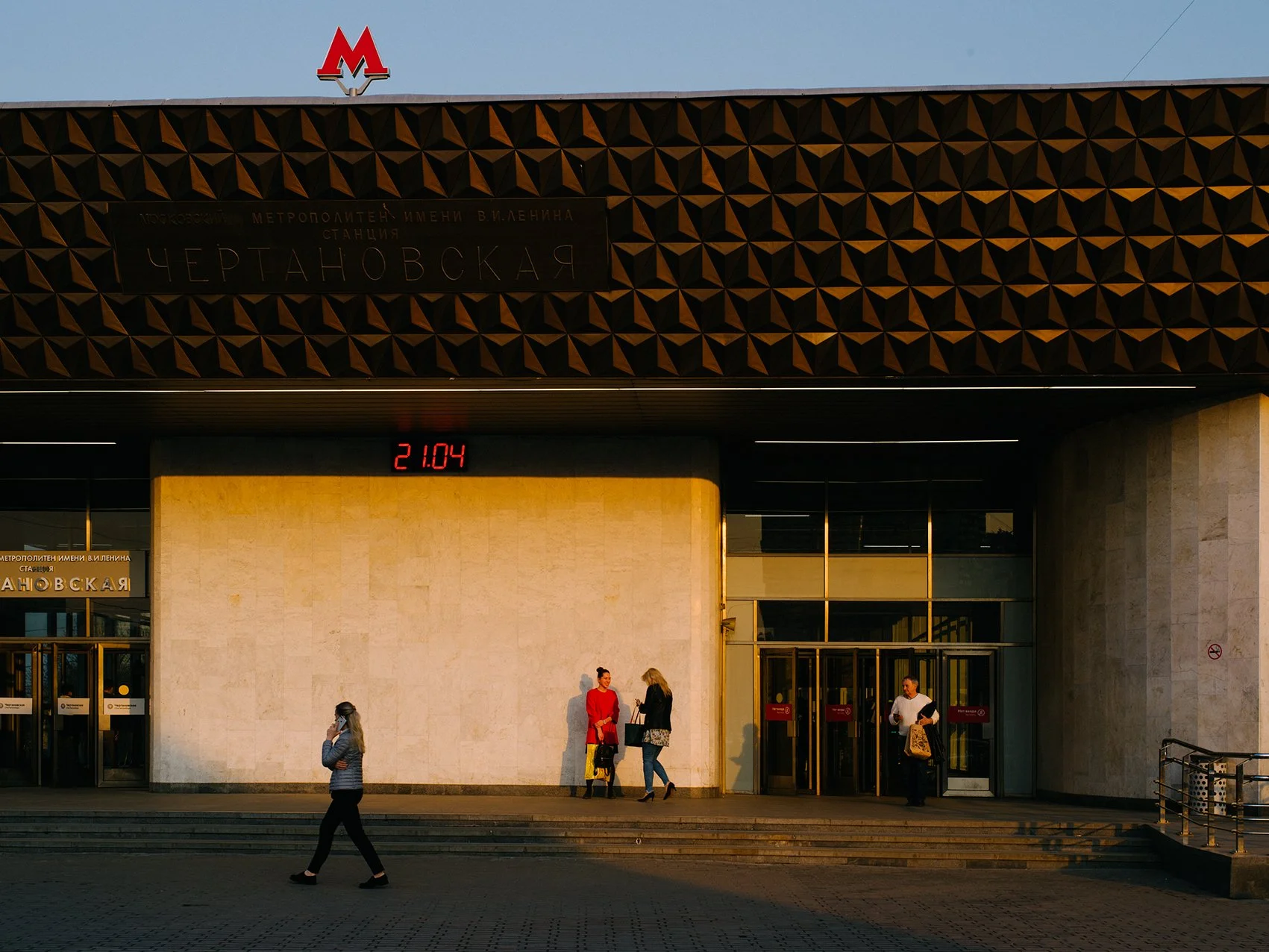
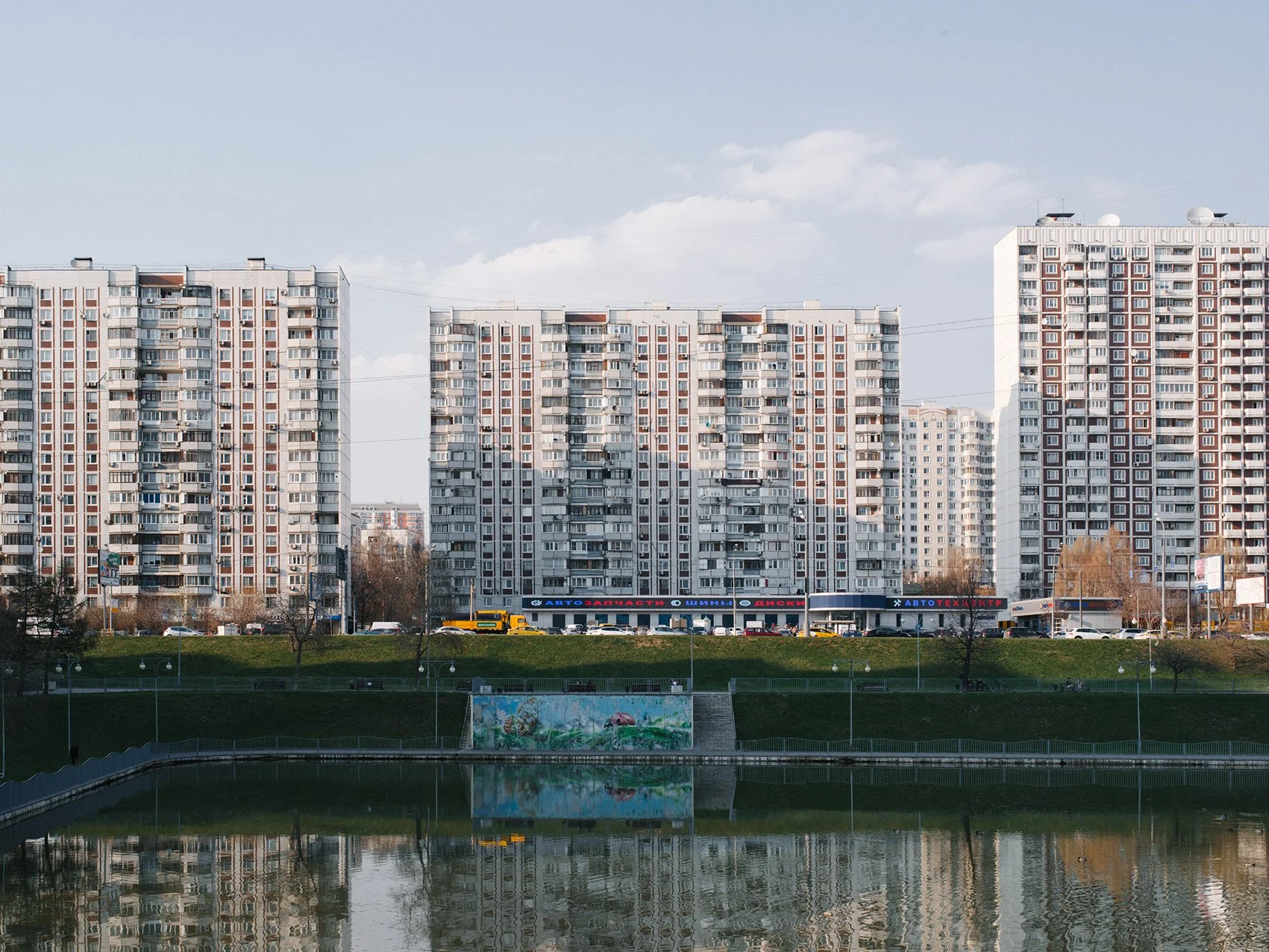
Severnoye Chernatovo, 2019
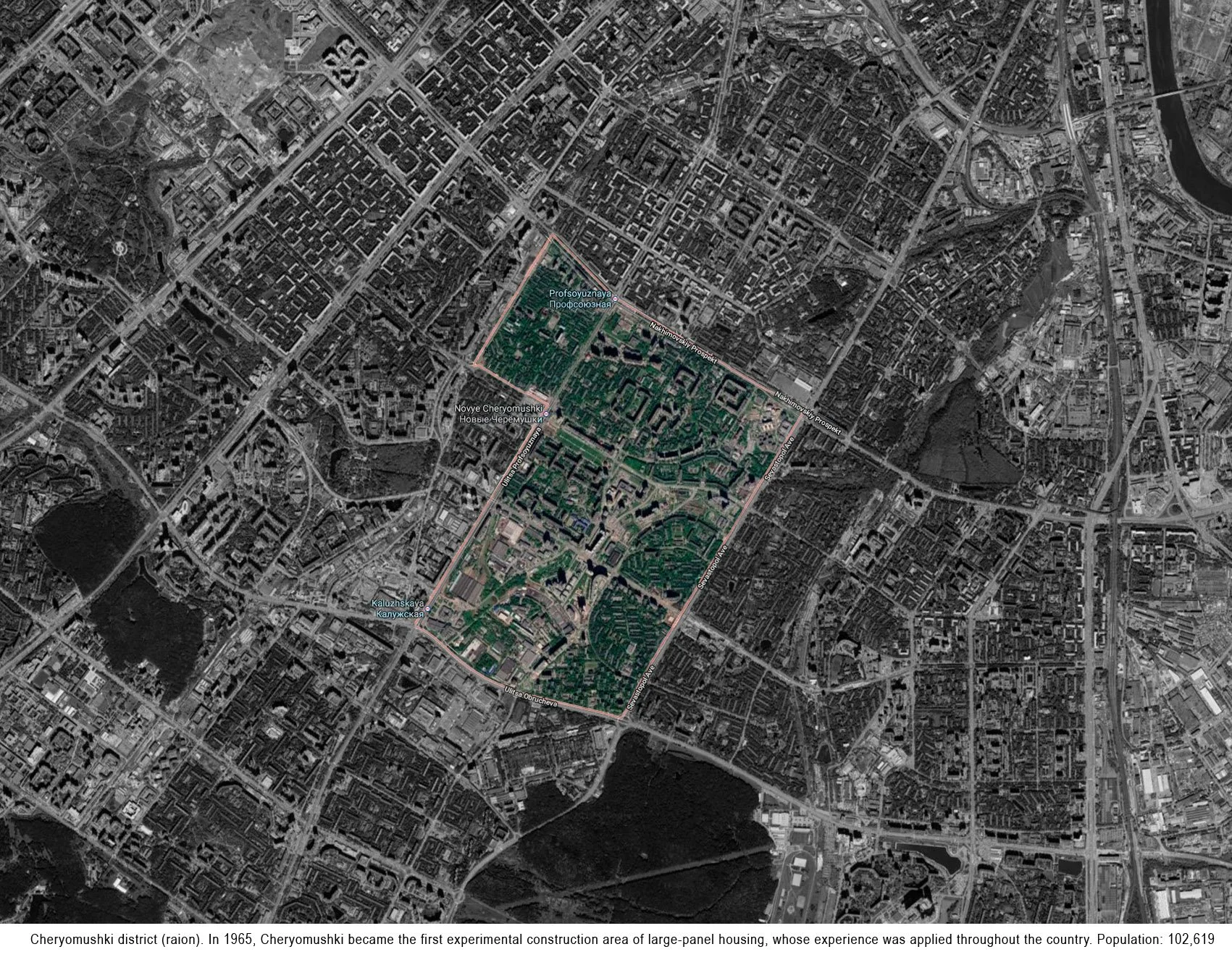
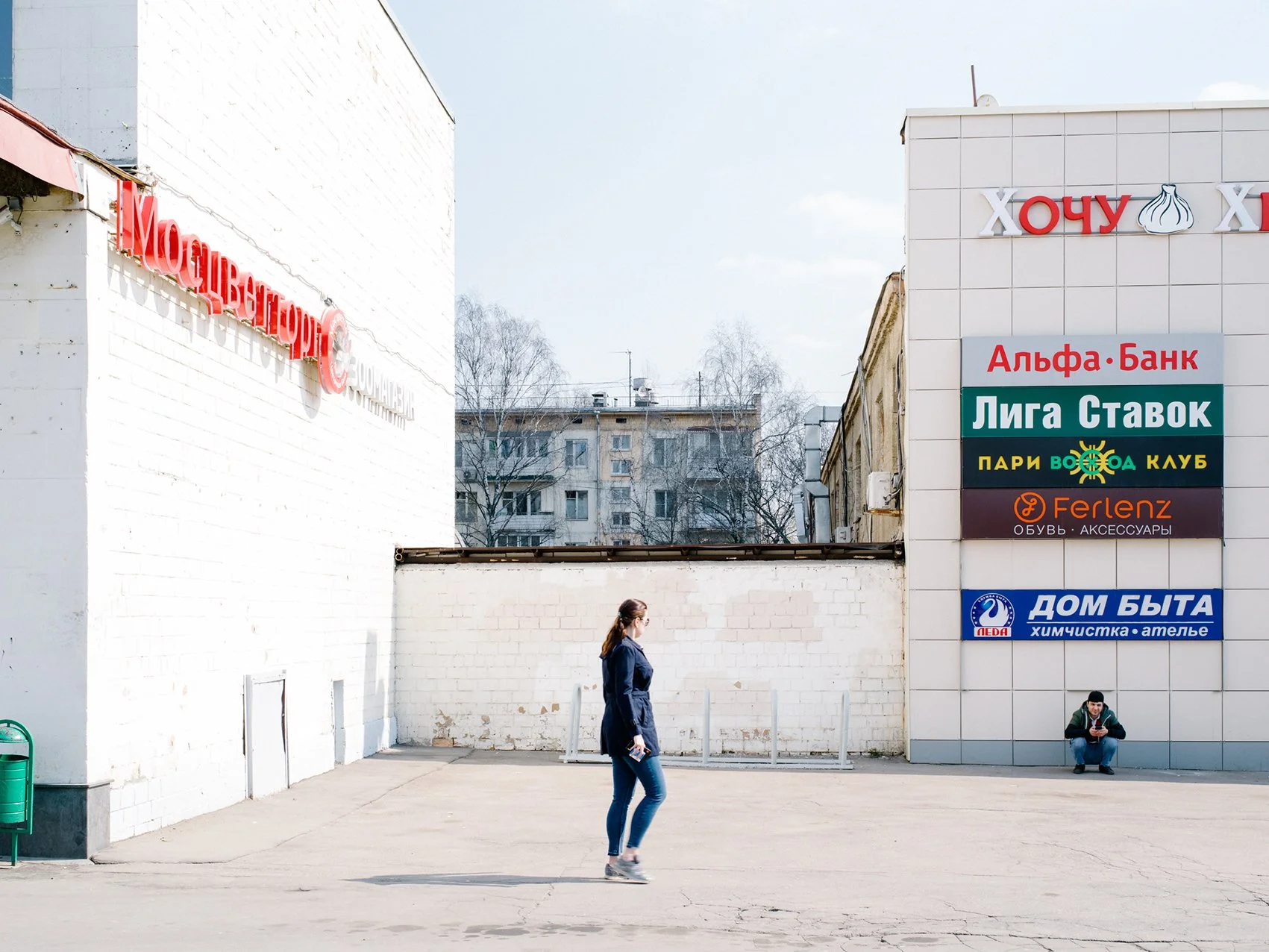
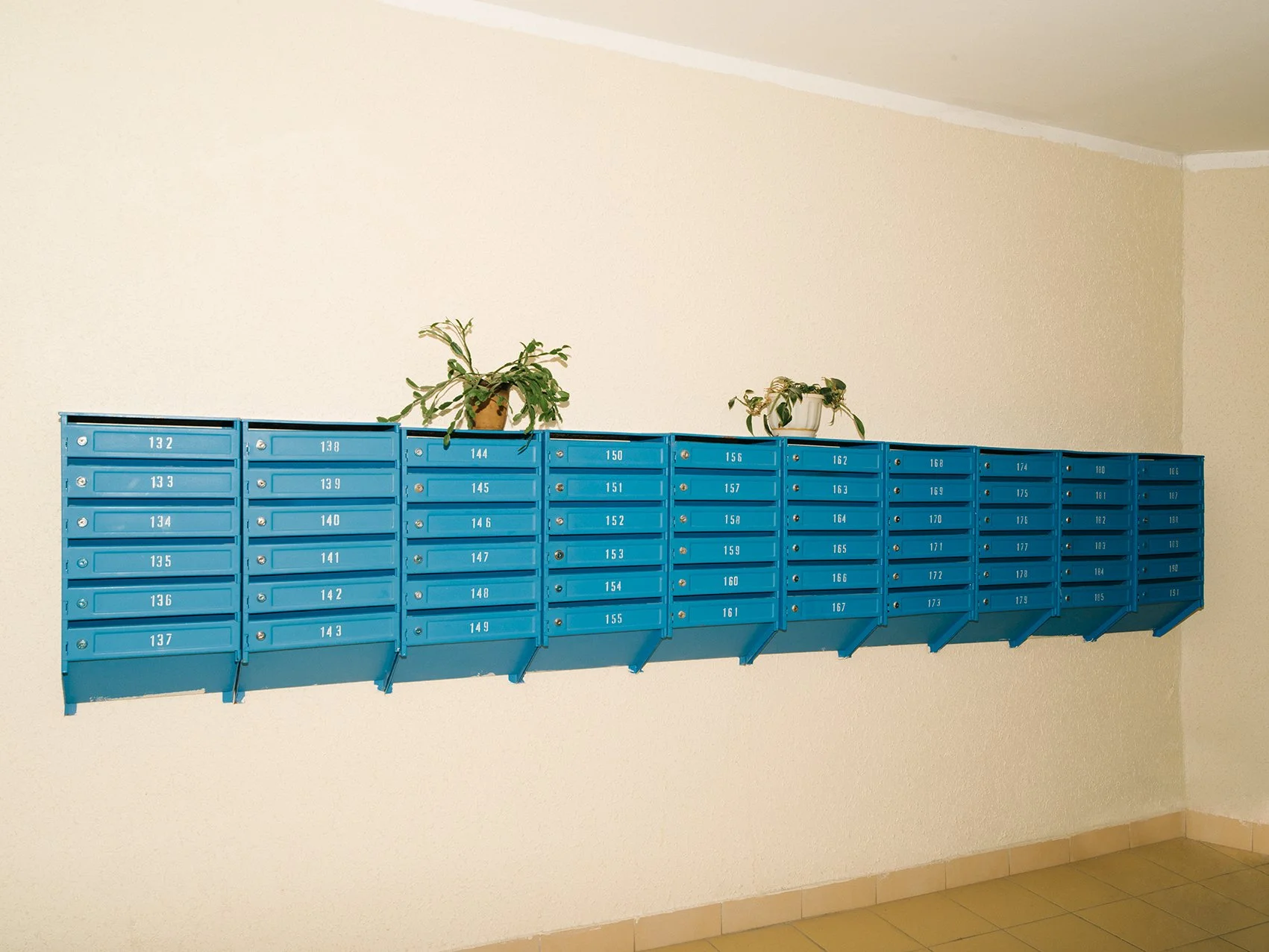
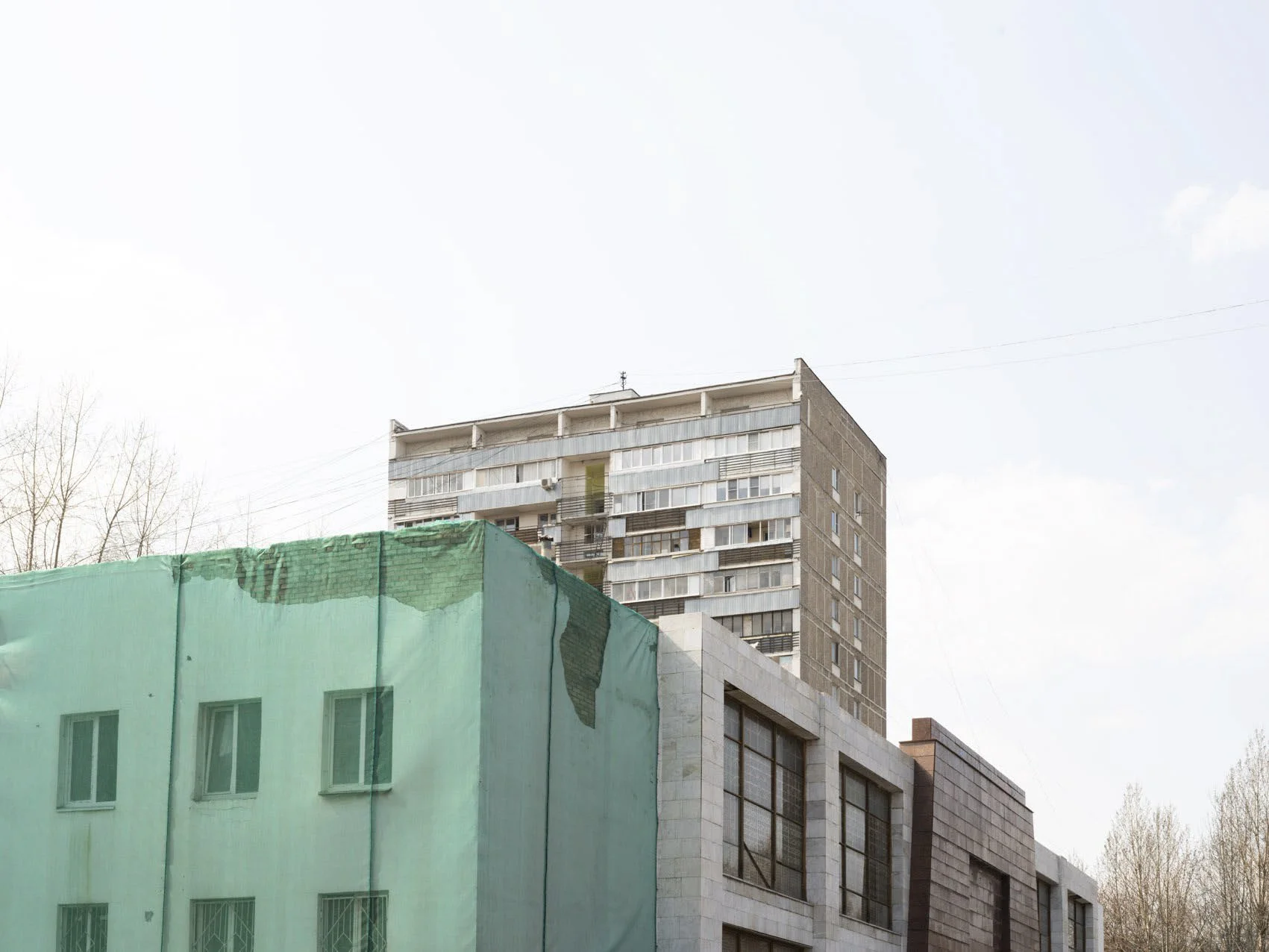
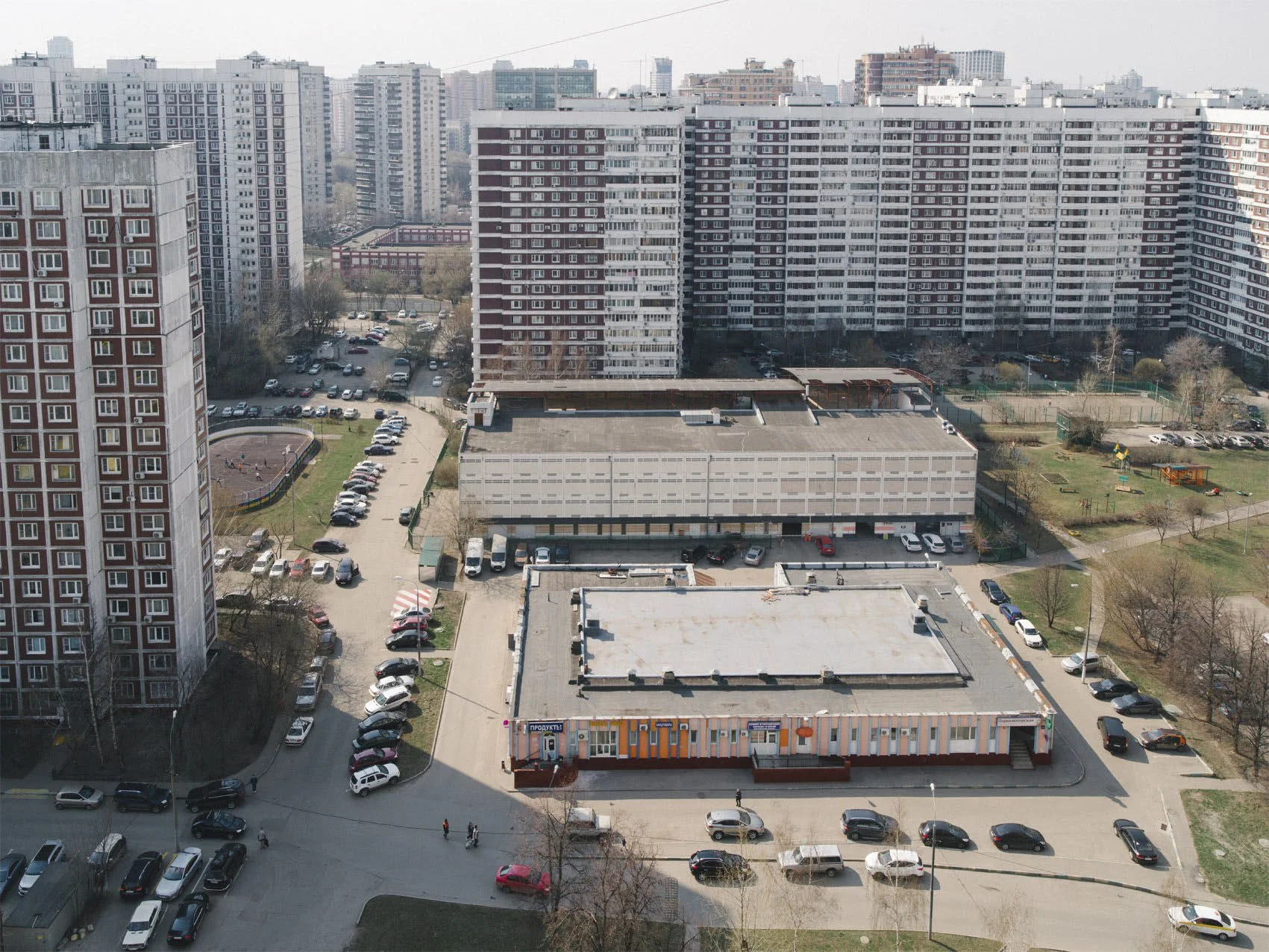
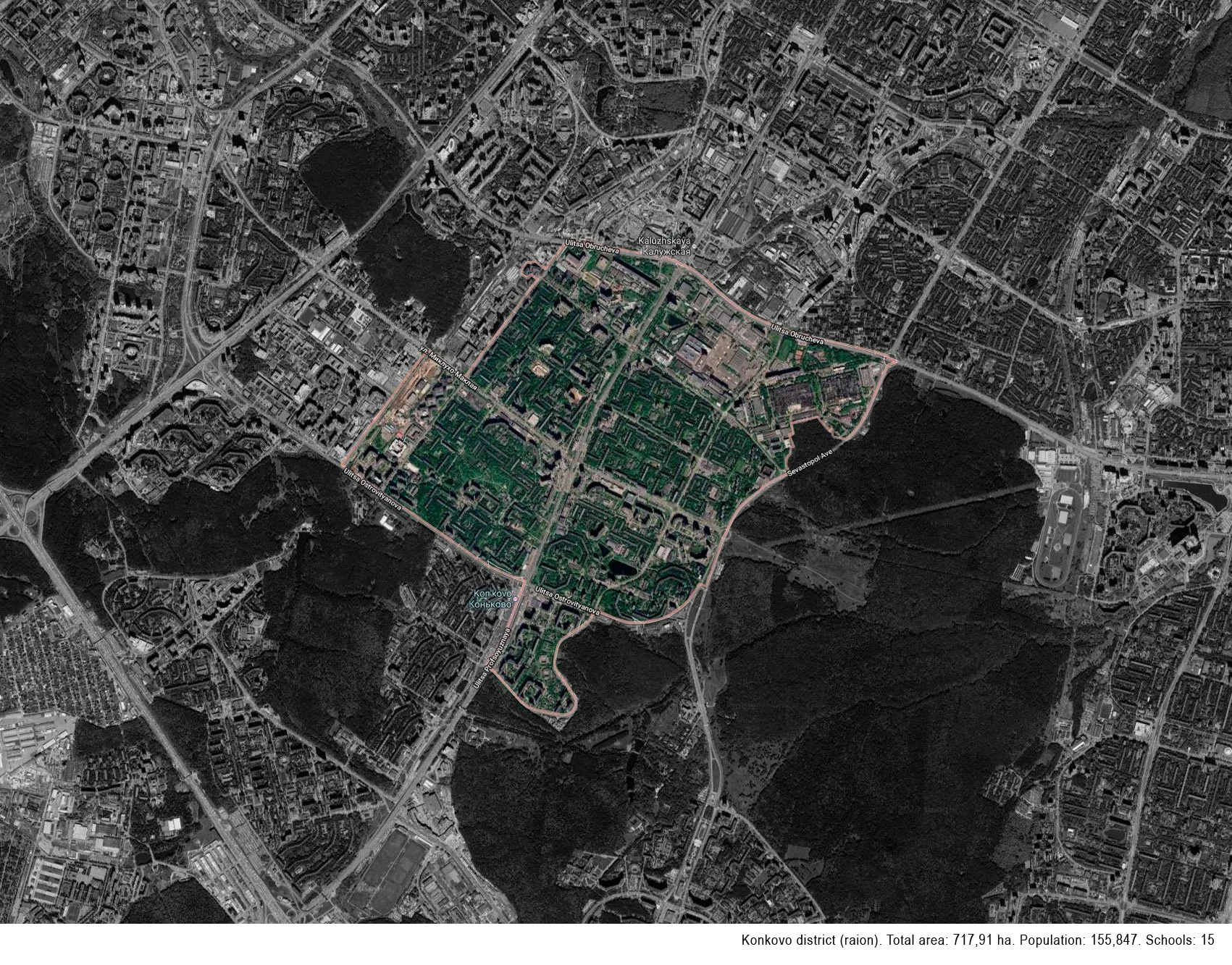
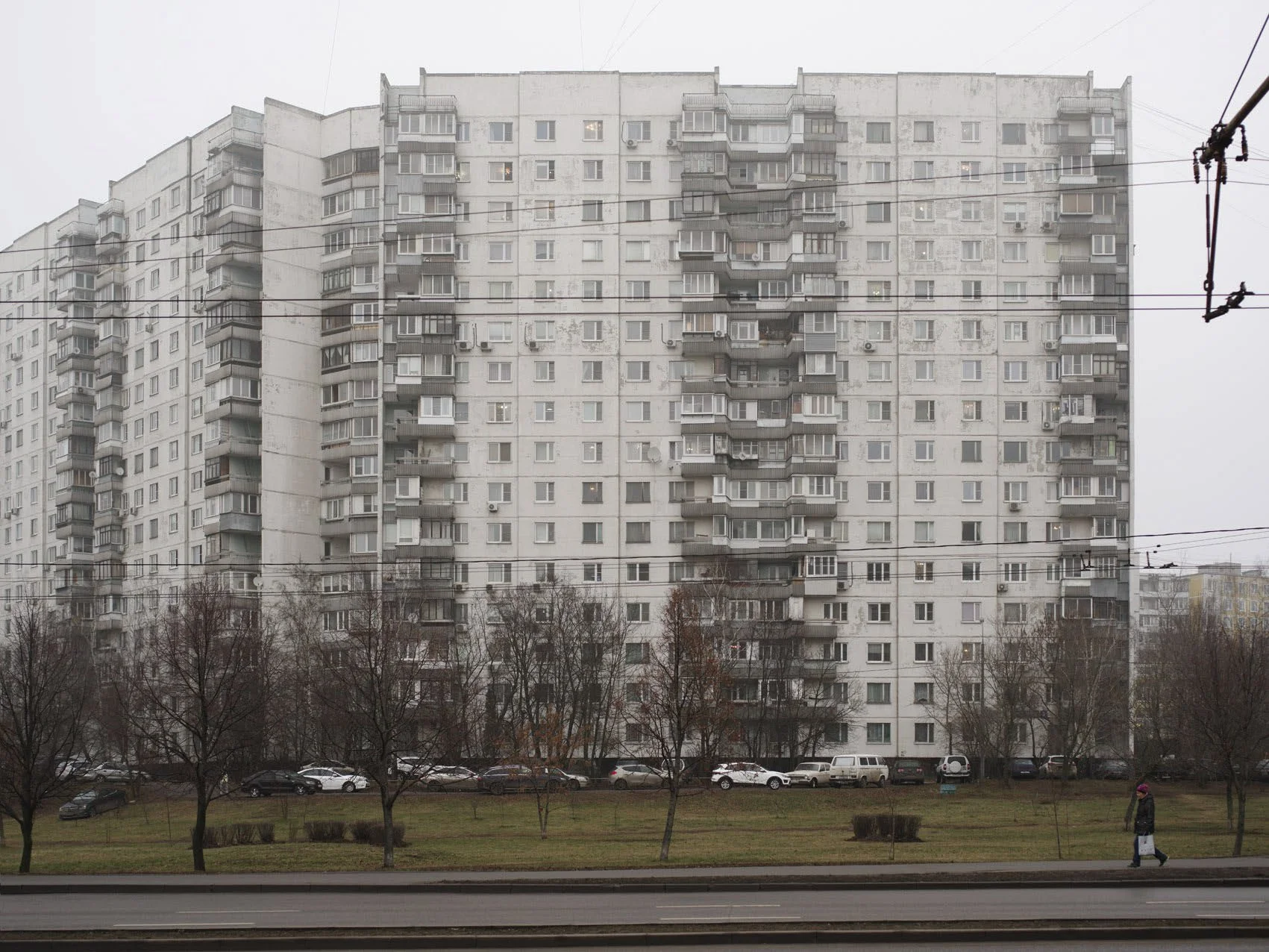
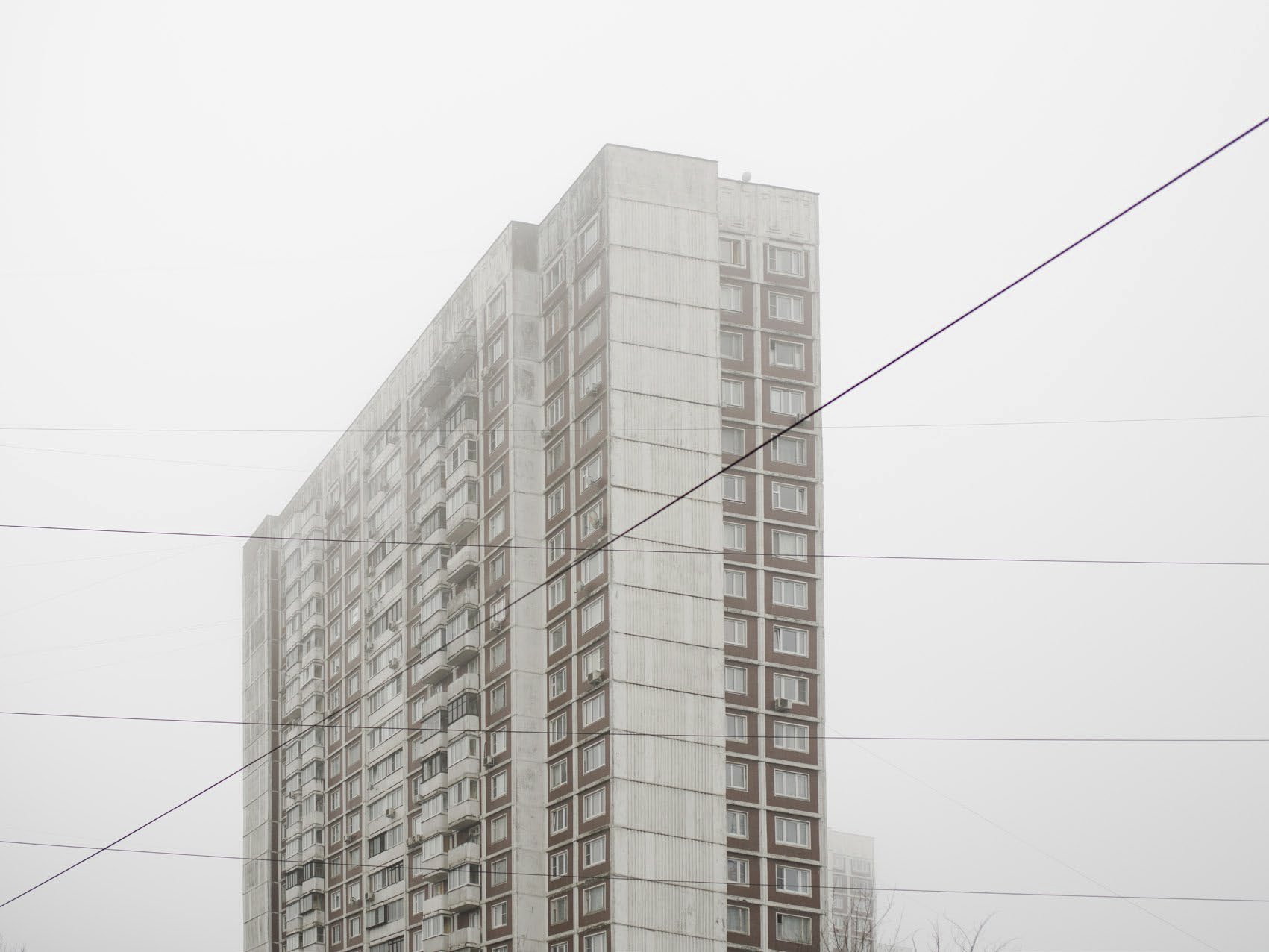
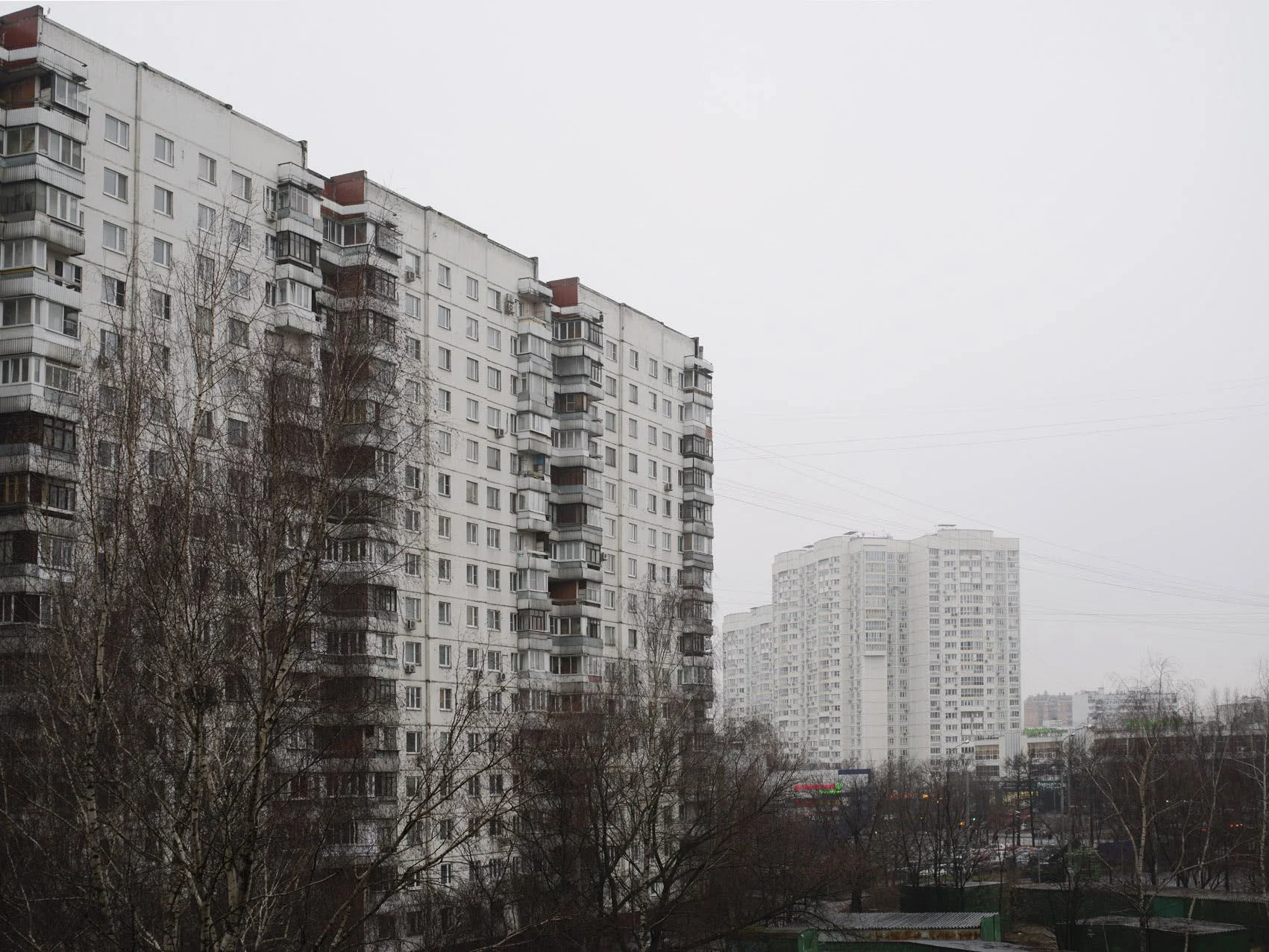
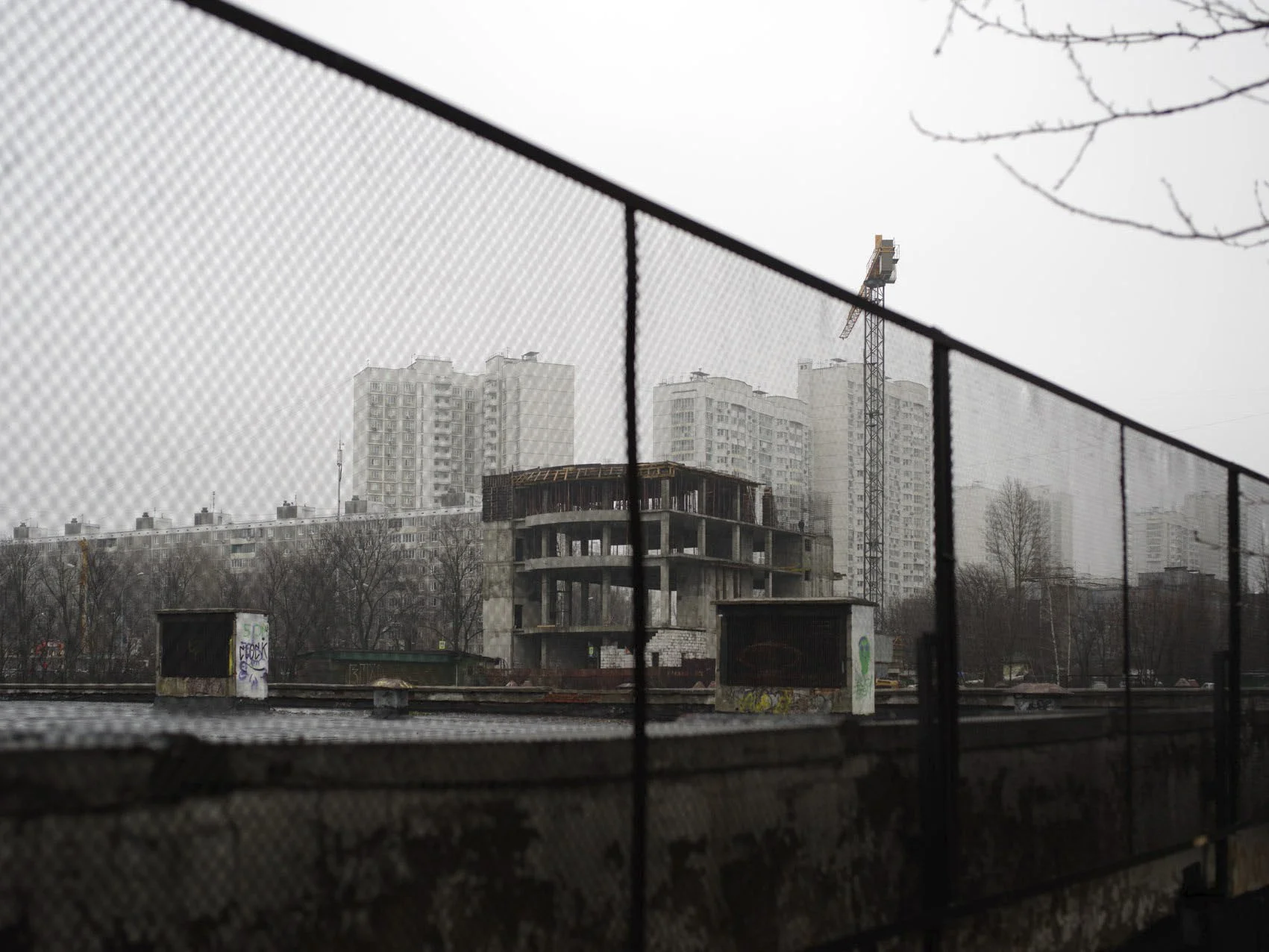
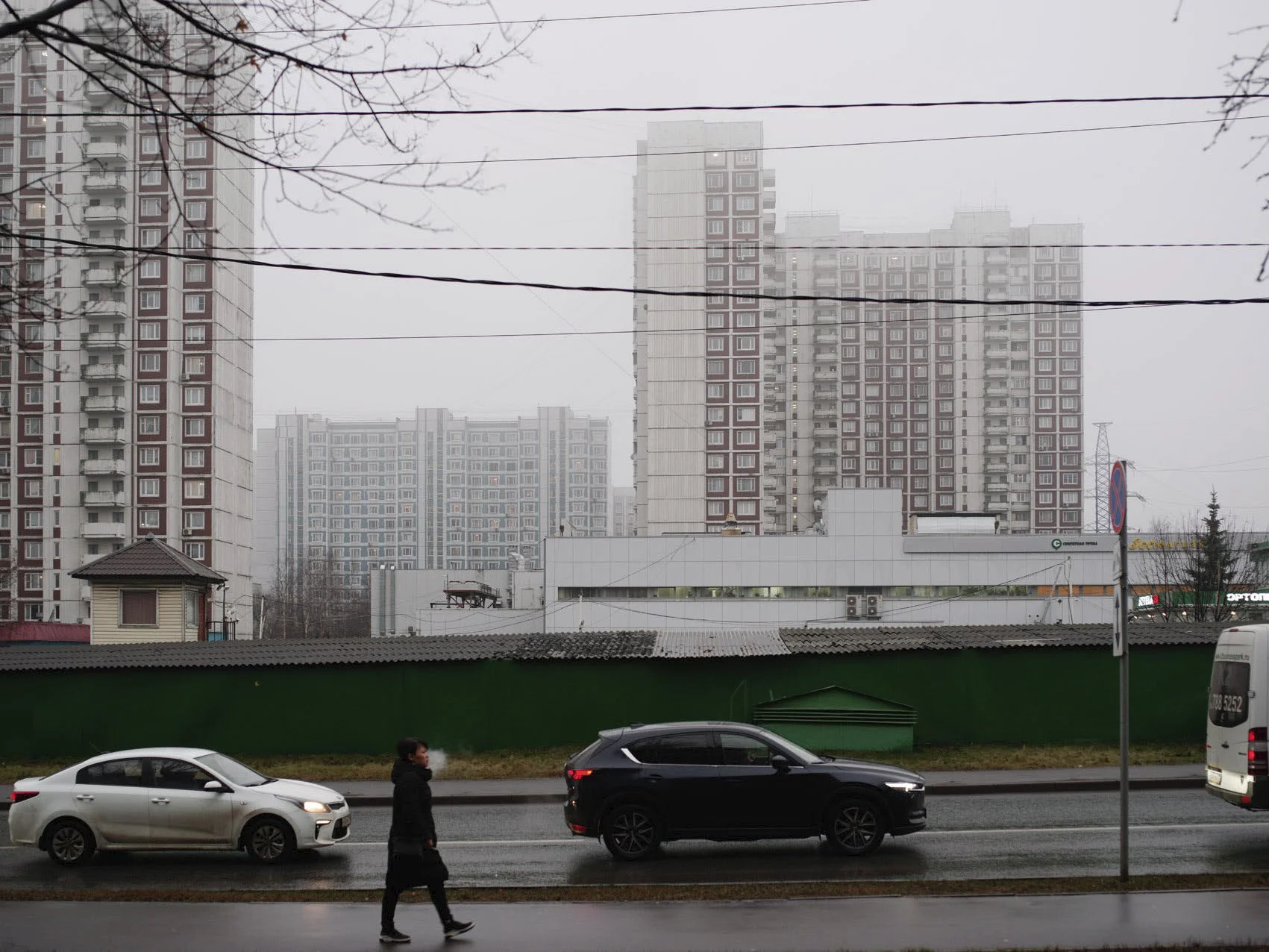
Konkovo, 2019
Konkovo, 2019
Konkovo, 2019
Konkovo, 2019
Konkovo, 2019
Severnoye Chernatovo, 2019
Severnoye Chernatovo, 2019
Severnoye Chernatovo, 2019
Severnoye Chernatovo, 2019
Severnoye Chernatovo, 2019
Severnoye Chernatovo, 2019
Severnoye Chernatovo, 2019
Severnoye Chernatovo, 2019
Severnoye Chernatovo, 2019
Severnoye Chernatovo, 2019
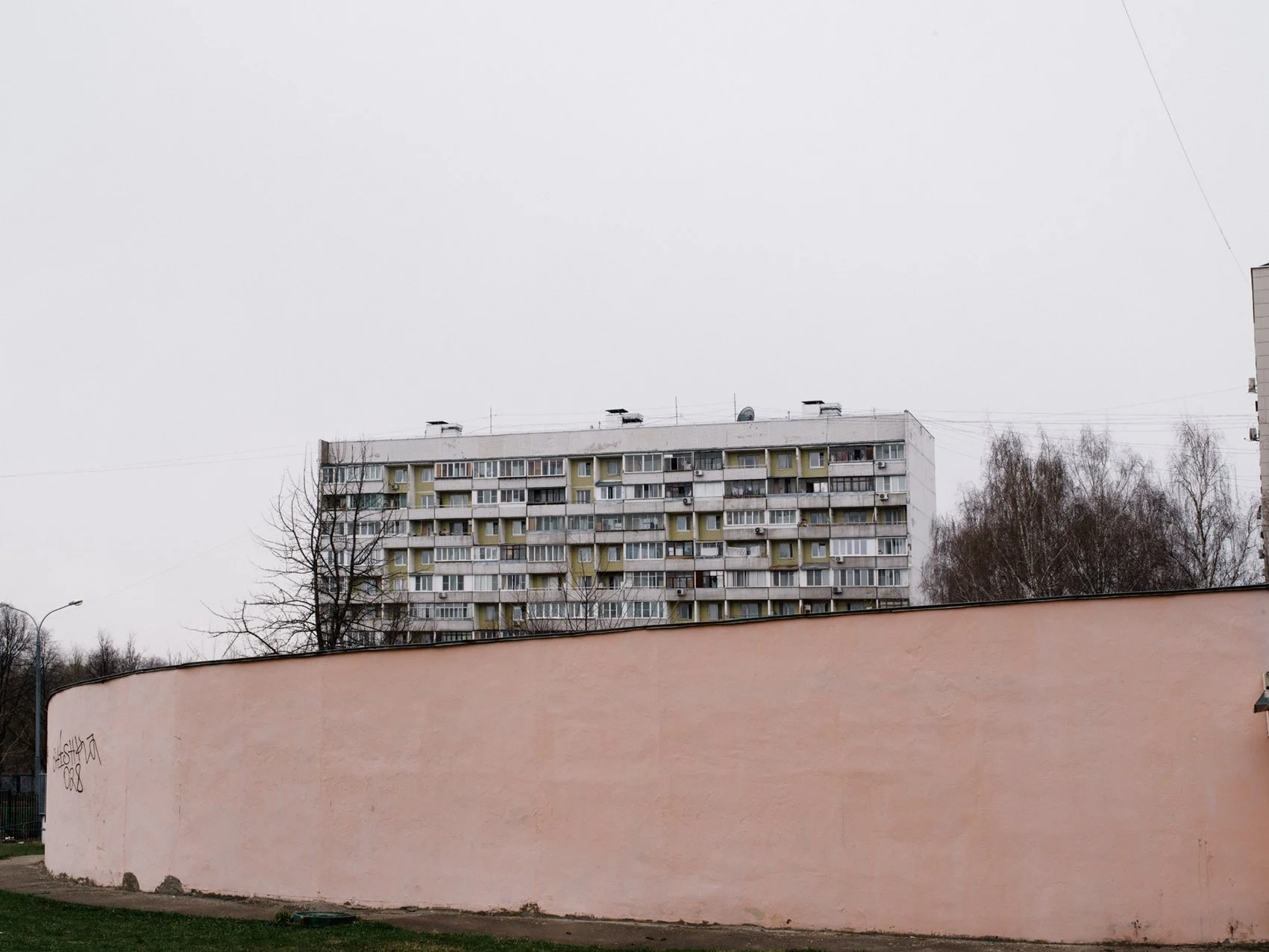
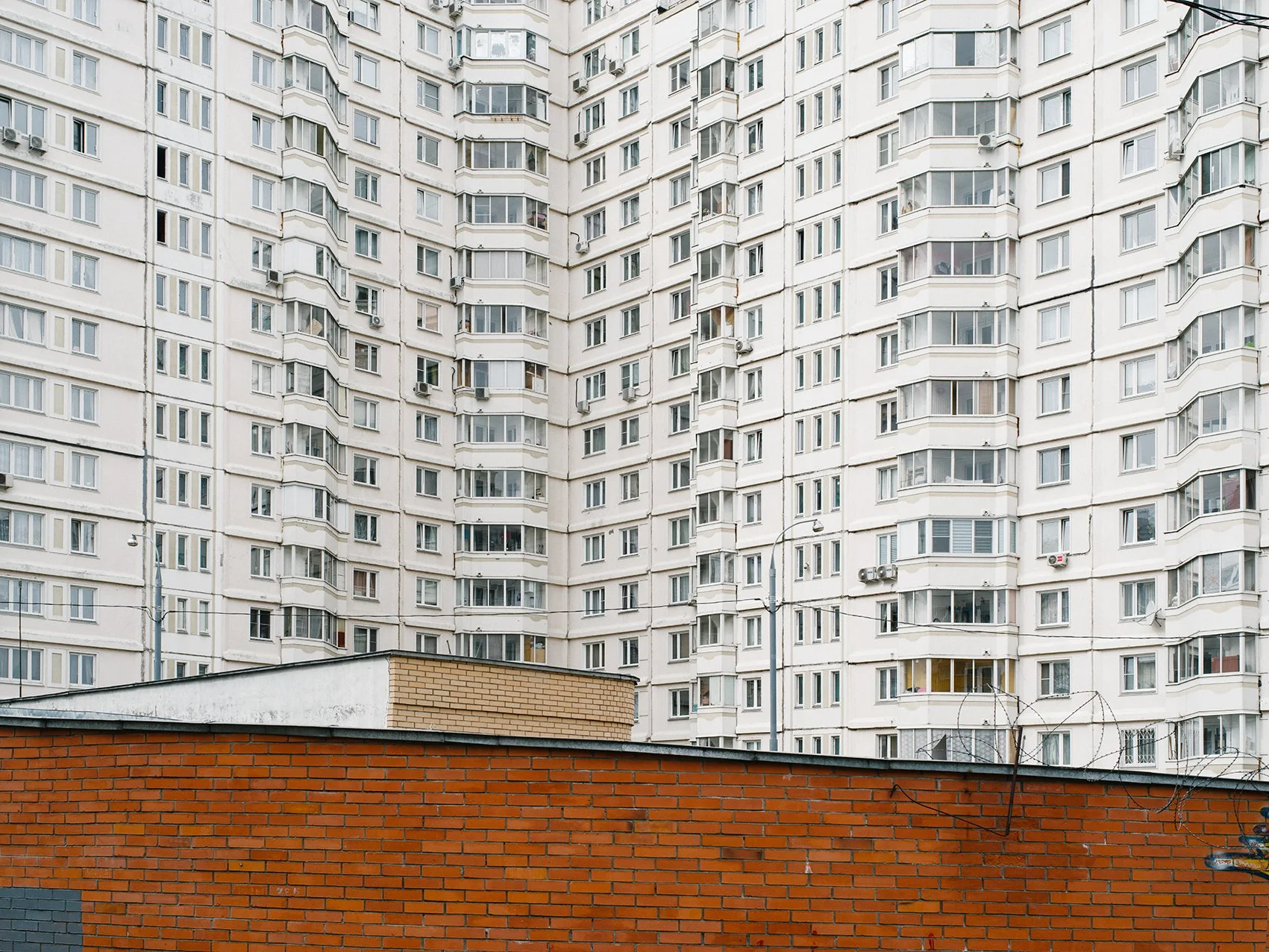
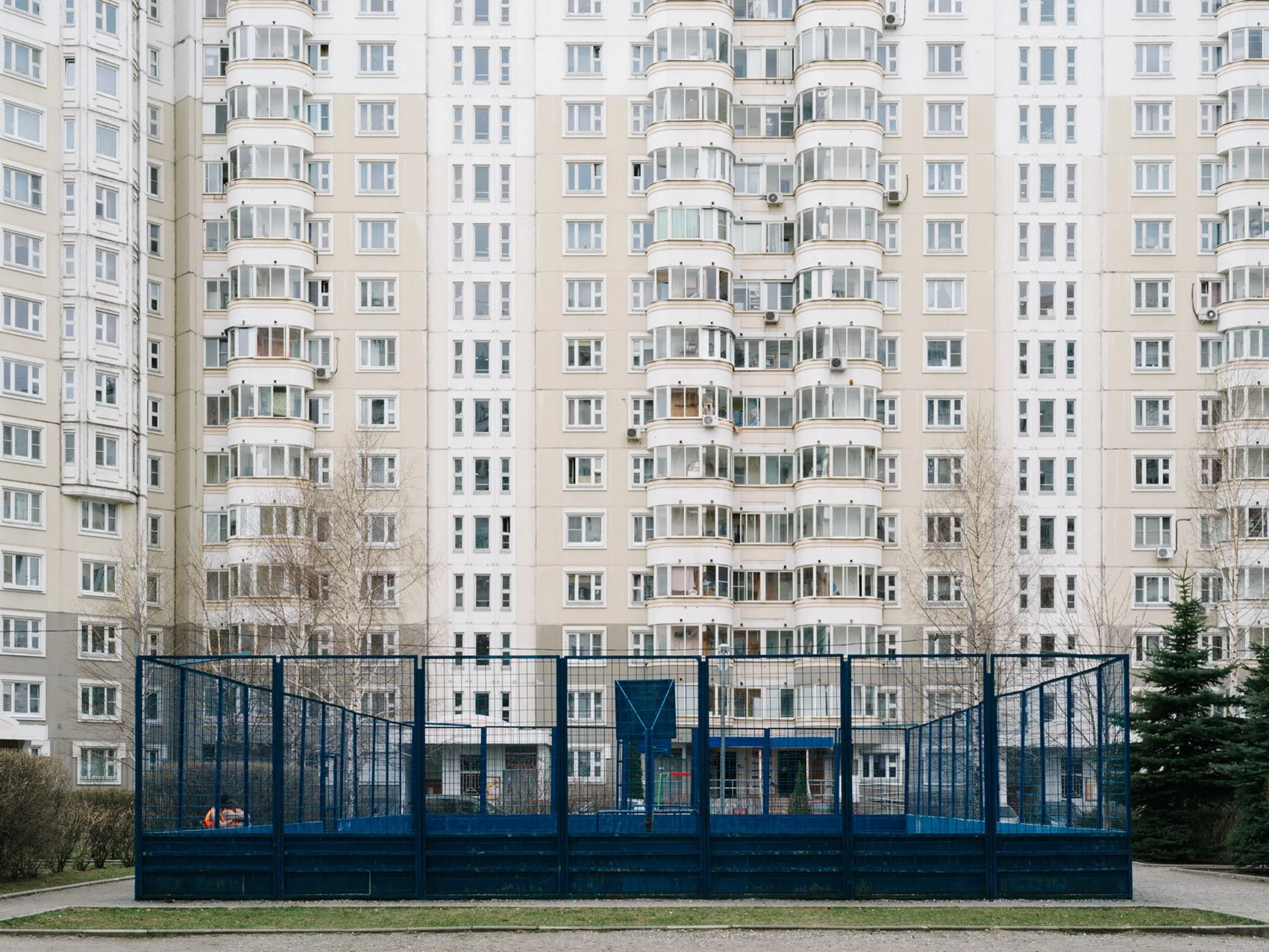
Yasenevo, 2019
Yasenevo, 2019
Yasenevo, 2019
Yasenevo, 2019
Molzhaninovsky, 2019
Molzhaninovsky, 2019
Molzhaninovsky, 2019
Molzhaninovsky, 2019
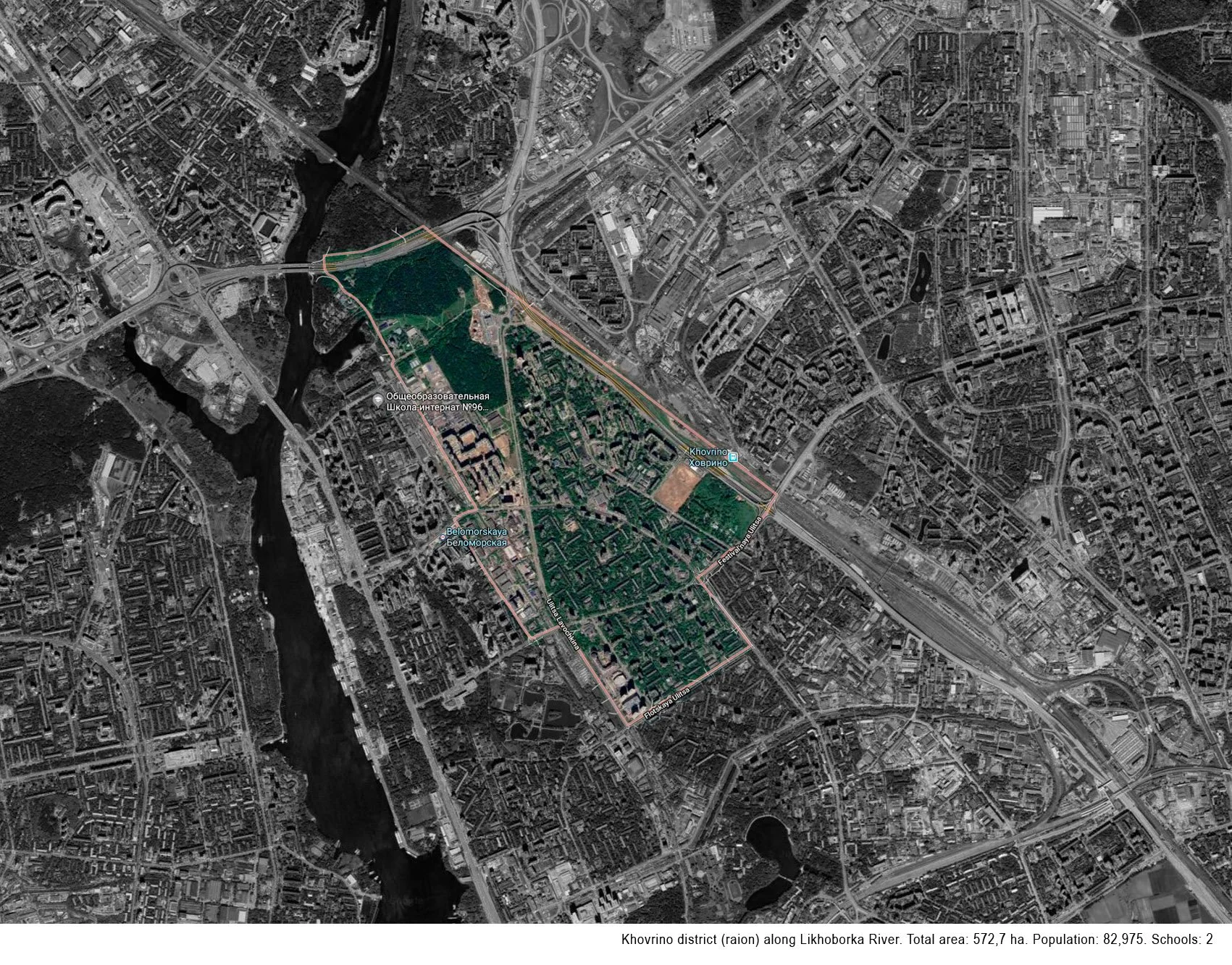
Khovrino, 2019
Khovrino, 2019
Khovrino, 2019
Khovrino, 2019
Khovrino, 2019
Khamovniki, 1976
Khamovniki, 1966
From the 1920s to the 1990s, the development policy of residential building complexes in the USSR was the backbone of the Soviet economy Being in a mainly rural state, the country started to look towards global urbanization.
The mikrorayon, the residential complex, was organized basically around the traditional monoblocks (khrushchyovkas), and already in the 1950s the government planned districts of between 10,000 and 30,000 inhabitants. At that time, the immense part of the citizens coexisted in the so-called kommunalkas, apartments shared between several families, each occupied single room. From 1950 to 1970 the construction process was efficient, simple and massive. The khrushchyovka was the basic housing unit that is a five floor building without elevator that consists of 40-50 small apartments.
Buildings based on prefabricated concrete panels, with the windows and doors previously inserted, should be extremely simple and cheap. In the 1960s and 1970s, soviet factories relentlessly produced 400 million square meters of apartments, which started with 5 floor buildings (K-7) to be addressed later, under a prevailing limitation of space, buildings of 9 or 16 floors (called brezhnevki).
At that time, it was the largest public plan for mass housing construction launched in the human history.
In 1974, after an average of 2.2 million flats built per year, only thirty percent of the population resided in komunalkas. In 1980, the height of the houses was already projected in 22 floors.
In the 1990s, under a context of economic collapse, the government stopped the construction of housing, which is no longer the part of the centrally planned economy. At that time, 75 percent of all Soviet residences had industrialized origin.
The microrayon, within this plan, was the field of action of the soviet architects. Between 1950 and 1980, at the same time when buildings were standardized and mass produced in factories, revolutionary typological solutions, capable of accommodating and making functional the relationship between buildings, public spaces and state services. were devised.
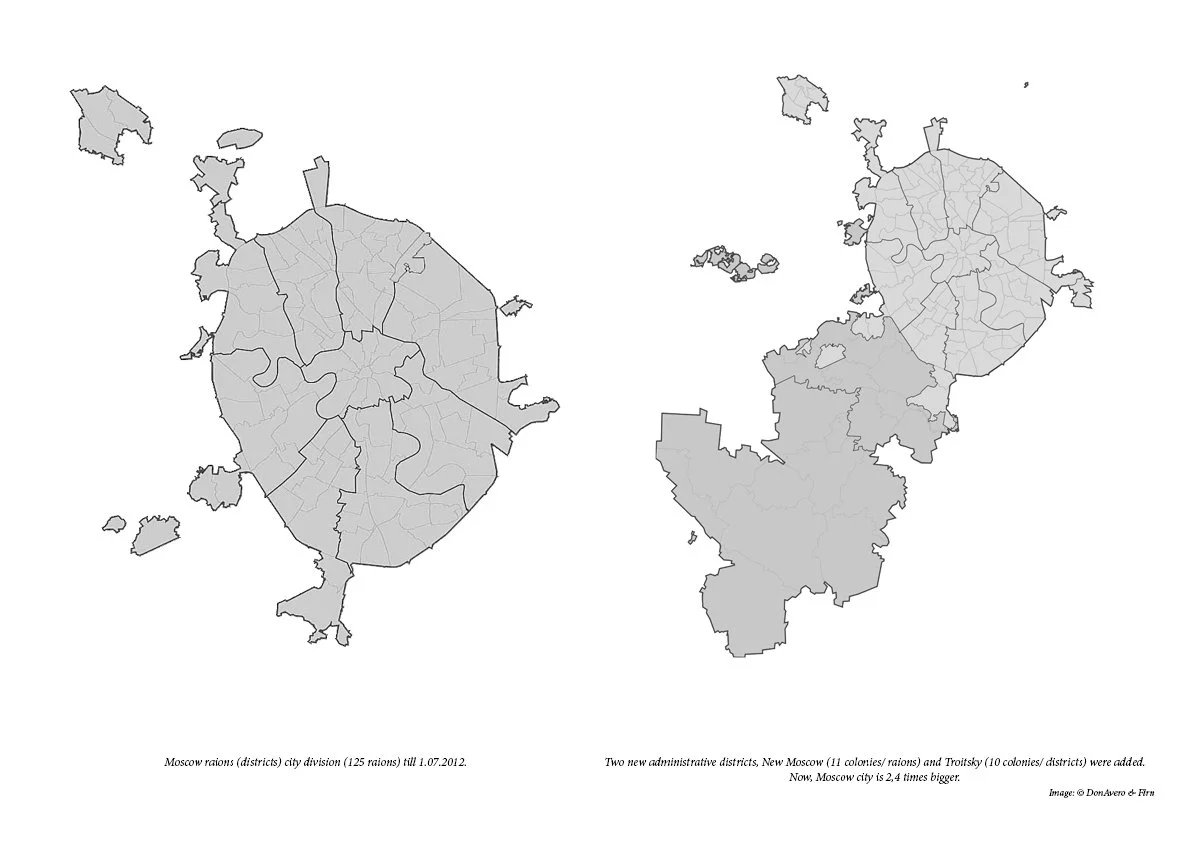
The microrayon is a functional and primary urbanization, a basic unit within the rayons (districts) arranged on the outskirts of the city to settle an extremely centralized excess population. It contains green areas, school s, medical center and a circulation svstem. The structure is alwavs hierarchical and rational, and trom the sixties juxtaposes buildings of different heights to generate optimal light dynamics and maximize space. The space system, in general, was like the buildings and in view of the demands of the moment, rigorously executed The planning logic, in general, was identical in all rayons. The khrushchy ovkas occupy a relatively central space, and the most recent buildings of 16 and 22 floors were oriented on the periphery. The uniformity and redundancy of the structures and the enormous scale are differential aspects in respect to other types of European urbanizations. The standardized landscape extends repetitively from the center of the city in a ring shape (the height of the buildings changes according to the planning time of the microrayon). Its planning is based on a single original model. The microrayon is designed to be self-sufficient.
This project covers the industrialization process of Moscow under the look at the family and the common places that are part of their generational transit It approximates to the displacement of the traditional population from the center of the city to the dormitory districts, within the state plan of the largest industrialized housing construction in history.
How can we define the value of architecture that completely achs uniquaness‹ Kuba spones why Moscow's Massacre of oisss housing is a huge mistake?